JSONGuide
Working With JSONB in PostgreSQL From First Query to Index
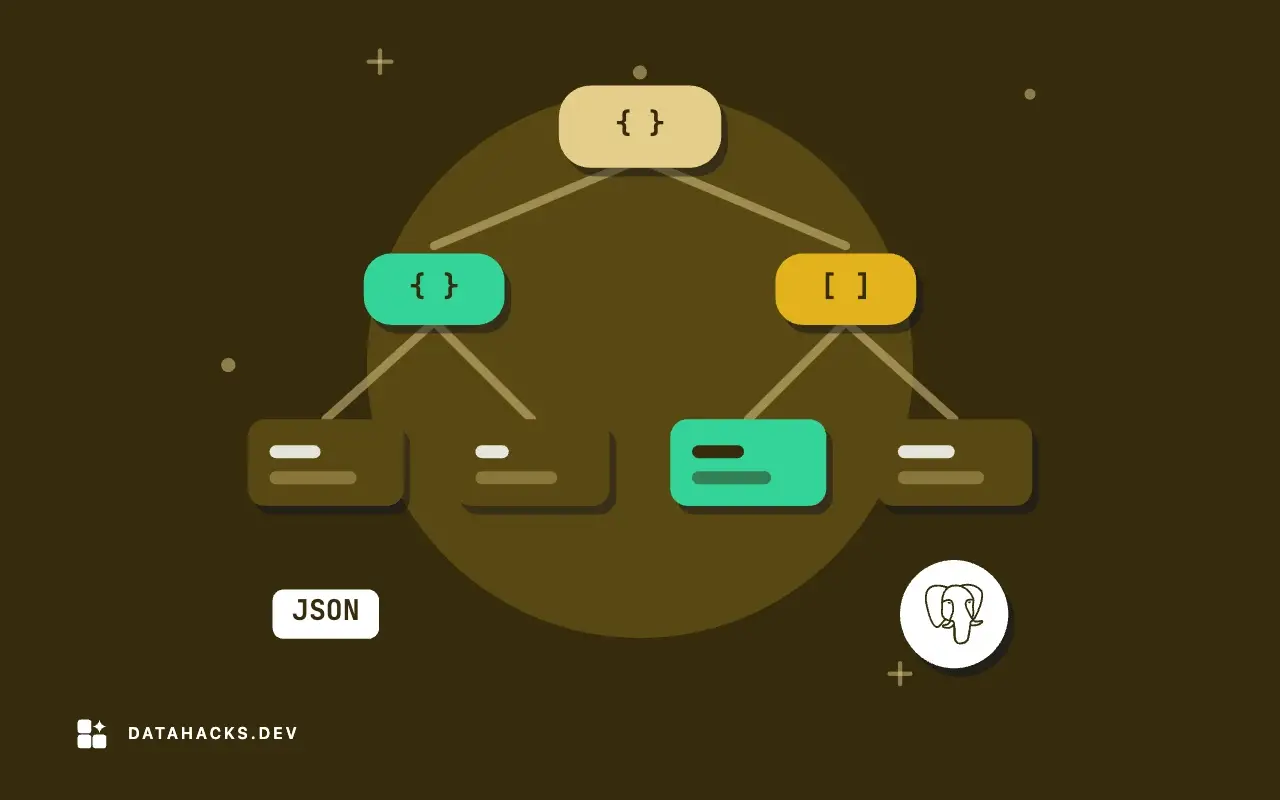
A working guide to JSONB in PostgreSQL 18: reading, filtering, updating, unnesting and aggregating documents, then GIN and expression indexes, with timings.
21 min read
Everything you need to level up your coding skills.
A working guide to JSONB in PostgreSQL 18: reading, filtering, updating, unnesting and aggregating documents, then GIN and expression indexes, with timings.
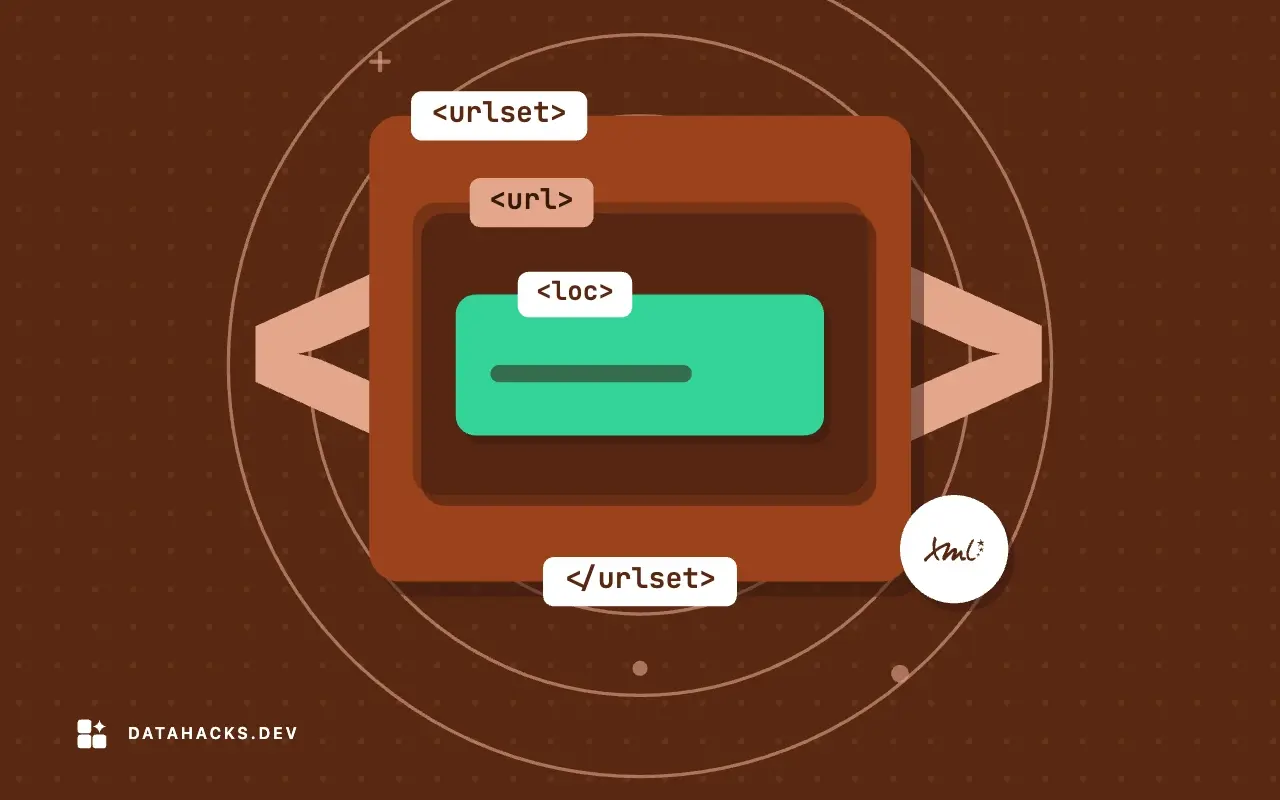
Store XML whole, shred it into tables, or both? What each engine keeps and loses, what validation you get, and what it costs on 200,000 documents.
Skip the header, or better, check it. See what HEADER true, HEADER match and a column list do, and the errors when the file and the table disagree.
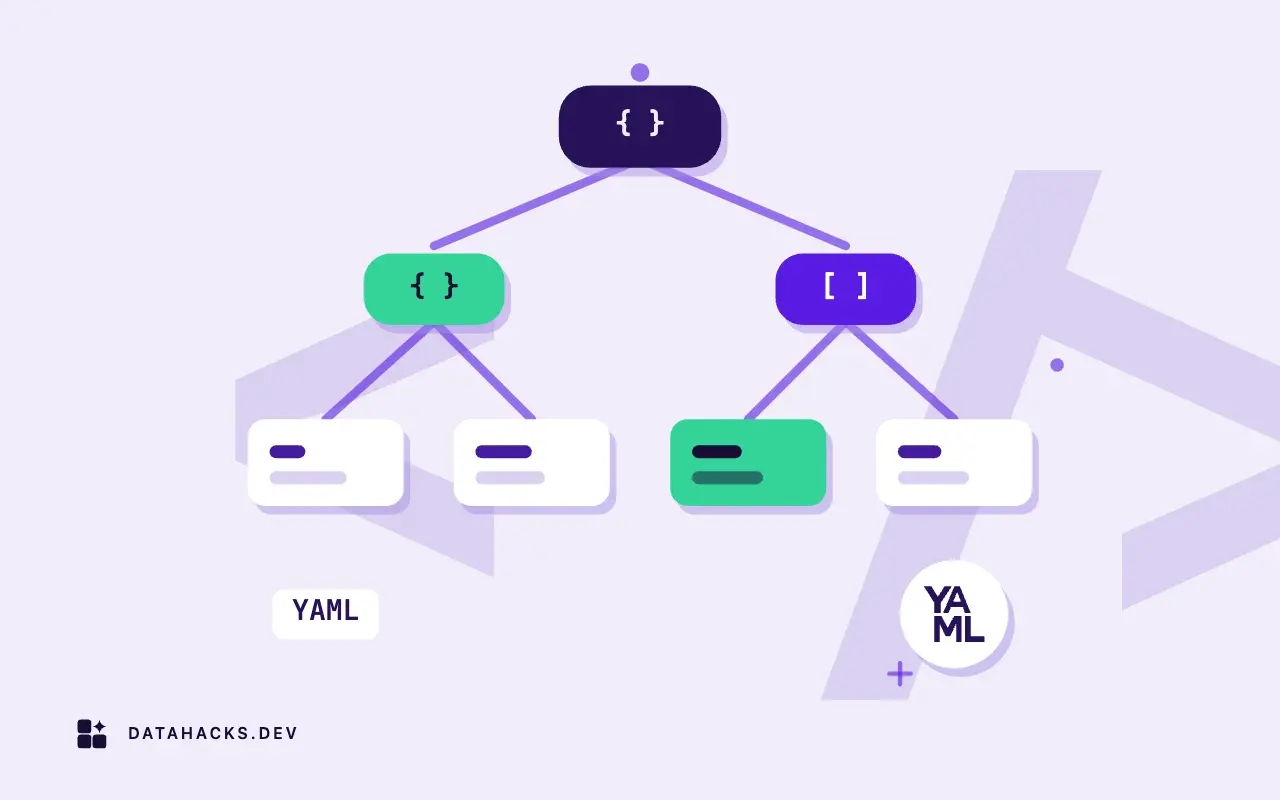
Python 3.10 in a CI matrix loads as 3.1 in every parser. See the proof, why quoting is the fix and a script that finds suspect floats in a repository.
Freeze the header row, add filter buttons and set column widths from Python with openpyxl and XlsxWriter, including an auto-width helper and print settings.
The two commands differ in which machine reads the file. See the permission errors, the path errors and the timings, and choose the one that fits.
A tested guide to XML in Python: ElementTree versus lxml, reading, streaming, writing, namespaces, validation, XSLT, tables, safety and an end-to-end script.
Text copied from console.log, DevTools or a config file is often a JavaScript object, not JSON. What differs, what is lost, and how to convert it safely.
Write Excel formulas and number formats from Python with openpyxl and XlsxWriter: English syntax, cached values, table references, percent and date codes.
The COPY command in practice: the options that matter, the two ways to feed it, what its row count means, and why one bad value undoes the whole load.
Build one Excel workbook from several SQL queries: a summary sheet, a sheet per region, formulas that point across sheets and an index with working links.
Load a CSV into PostgreSQL with COPY, see what makes it fast, and learn what each failure means, with a script that loads in one transaction.
We send one email when a new article is published. No spam.