MySQL
Running MySQL in Docker With a Data Volume That Persists
Run MySQL 8.4 in Docker with a named volume, environment variables, a custom config, health checks, initialization scripts and safe upgrades.
6 min read
Clients, formatters, linters and CLIs worth installing. Small tools that save hours.
Run MySQL 8.4 in Docker with a named volume, environment variables, a custom config, health checks, initialization scripts and safe upgrades.
Create your first PostgreSQL role, database and schema: CREATE ROLE with LOGIN, a database with an owner, search_path, and the public schema change.
Install MySQL 8.4 LTS on macOS, Ubuntu and Windows: package sources, first start, the root account, secure setup and checks that the server works.
Run PostgreSQL in Docker with a named volume so data survives restarts, set the password and database on first start, publish the port safely and use Compose.
A beginner guide to getting a MySQL server running: choose a version, install, secure, connect, create users and fix the first errors.
Install PostgreSQL on macOS with Homebrew, on Linux with packages and on Windows with the installer, then check that the service runs.
diff -w hides YAML indentation changes that alter meaning. Normalize both files with yq sort_keys and compare as data to ignore layout and order only.
Deep-merge a base and an override with yq eval-all, choose whether lists replace or append, and check what a null or an empty value in the override does.
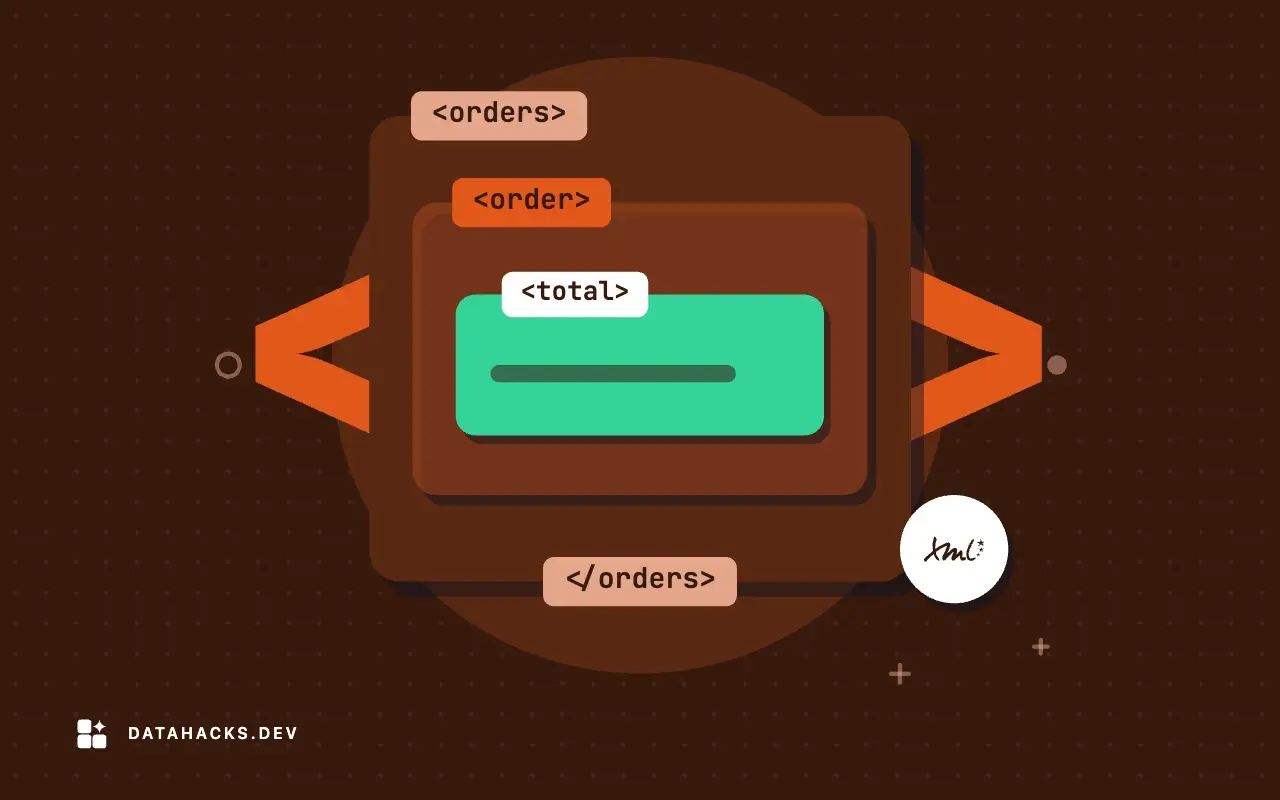
Documents with inline markup, schemas that partners must honor, signatures and long-lived standards keep XML in use. A checklist of five situations.
50,000 orders in four formats: protobuf was 5.1 MB, JSON 10.8 MB, XML 14.2 MB, and it parsed in 9 ms against 161 for XML. What that buys and costs.
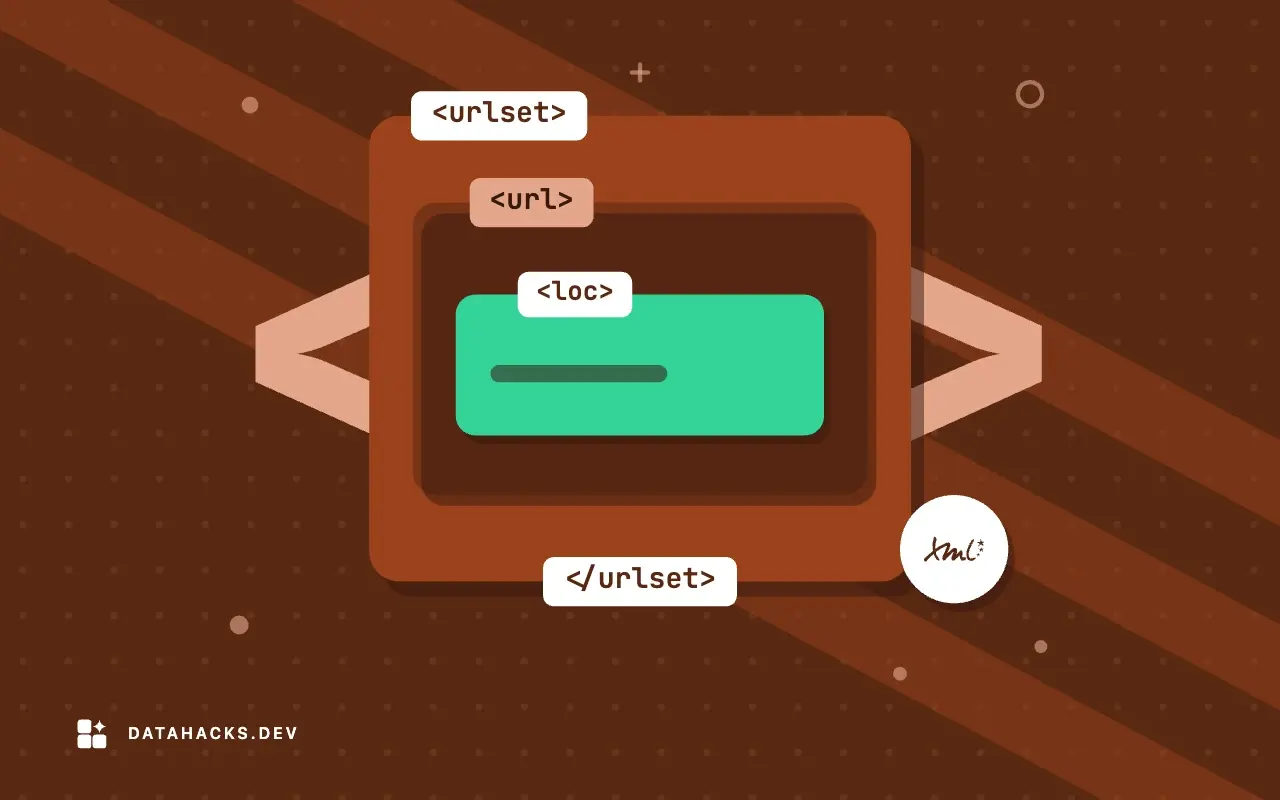
A 127 MB XML file shrank to 14.8 MB with gzip, 15.4 MB with zstd and 10.8 MB with xz. Costs in seconds, and how to parse a gzip file without unpacking.
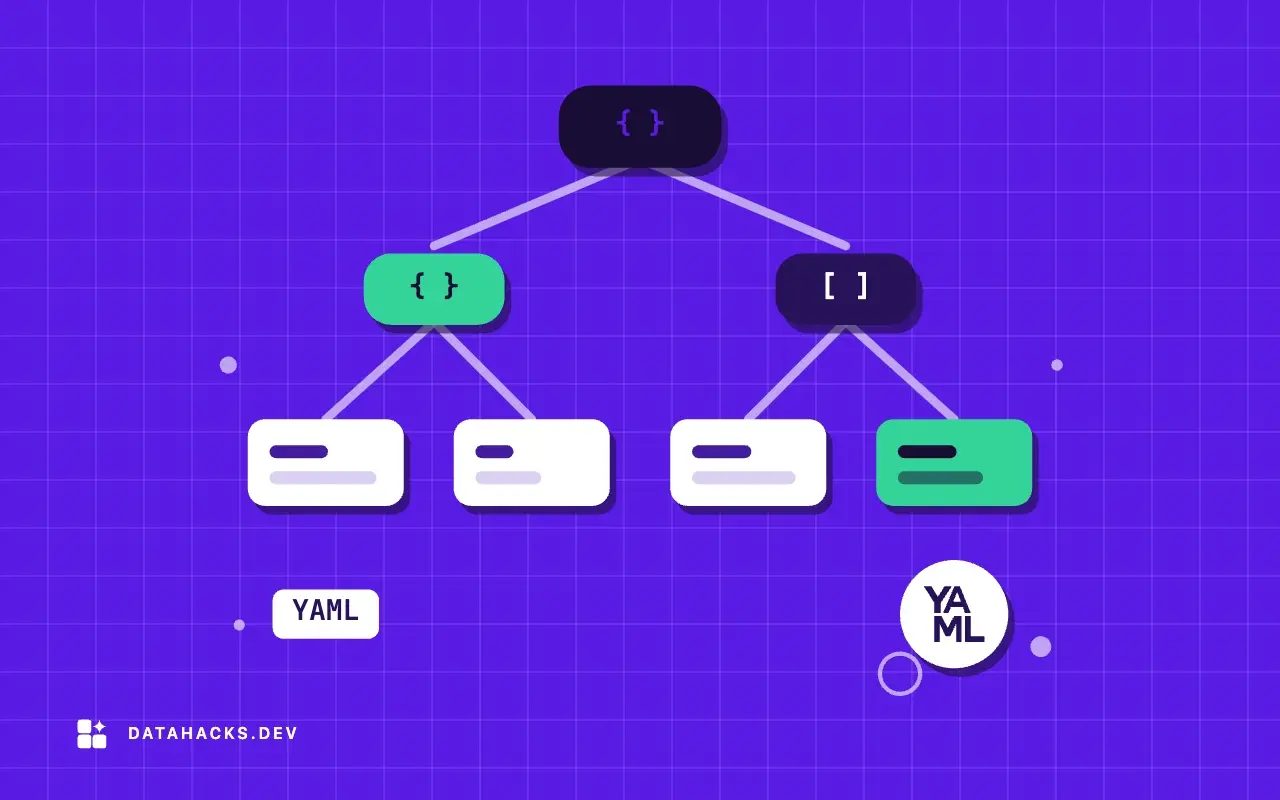
A messy file with nine findings, reported by yamllint line by line, then repaired with yq and a project config. The workflow that finds and fixes indentation.
We send one email when a new article is published. No spam.