YAML
Environment Variable Substitution in YAML Config Files
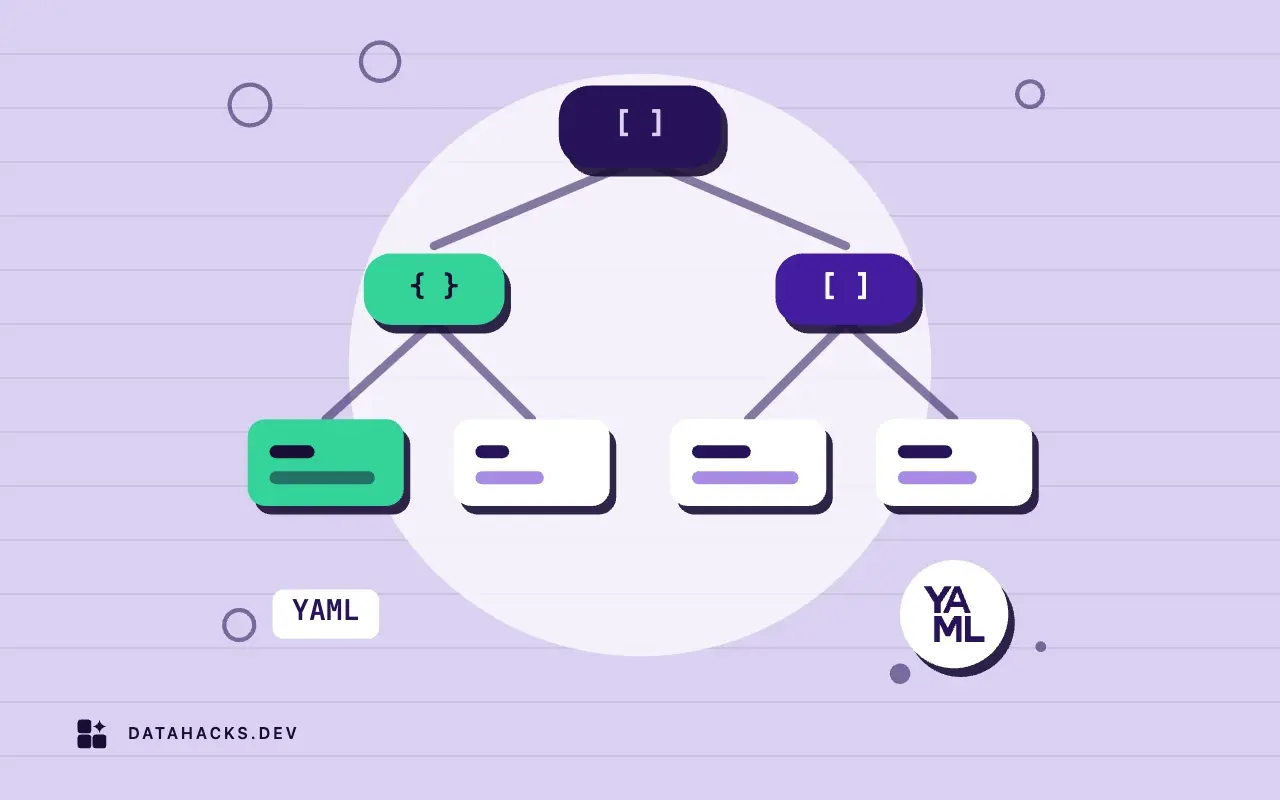
Substitute environment variables into YAML config after parsing, not before. Expanding text first broke on a colon and hash; a typed walk kept the value.
6 min read
Everything you need to level up your coding skills.
Substitute environment variables into YAML config after parsing, not before. Expanding text first broke on a colon and hash; a typed walk kept the value.
Run MySQL 8.4 in Docker with a named volume, environment variables, a custom config, health checks, initialization scripts and safe upgrades.
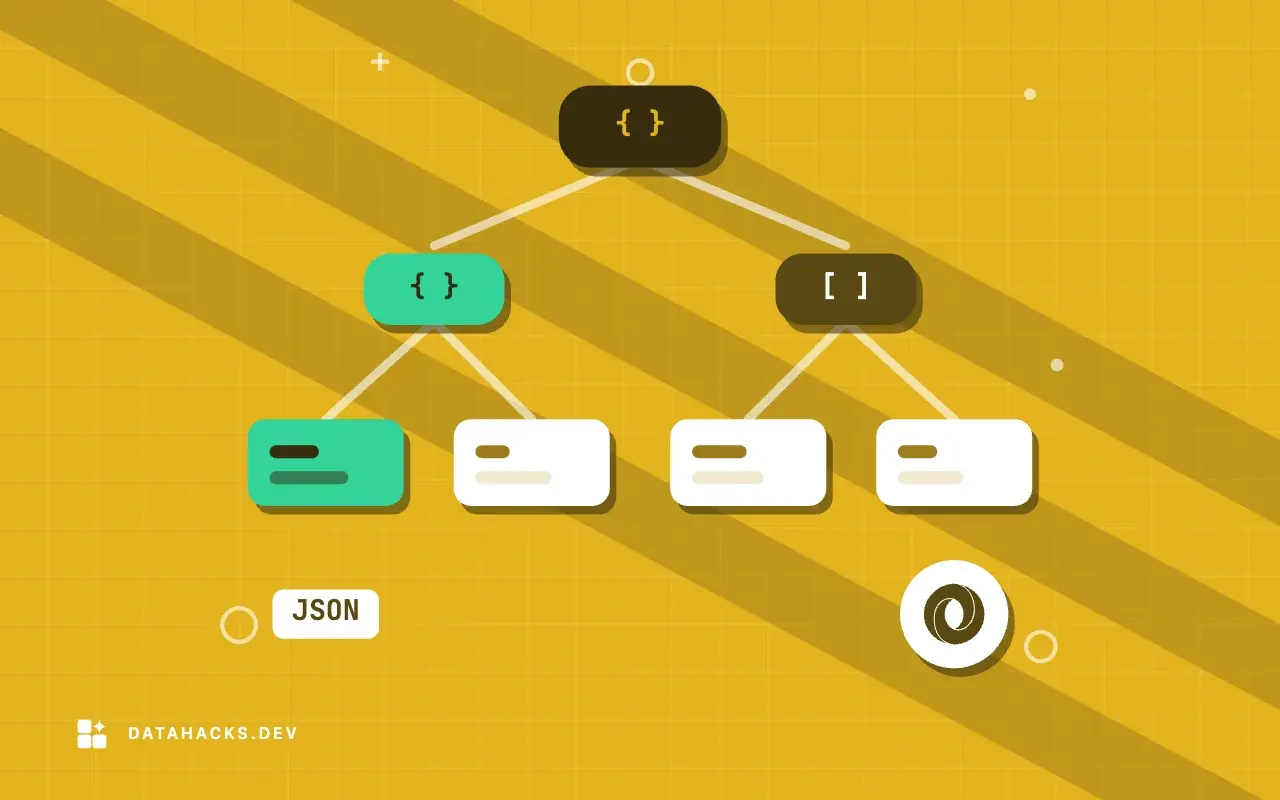
JSON has no comment syntax by design, so a // note fails in every parser tested. What people do instead: _comment keys, $comment, JSONC, JSON5 and YAML.
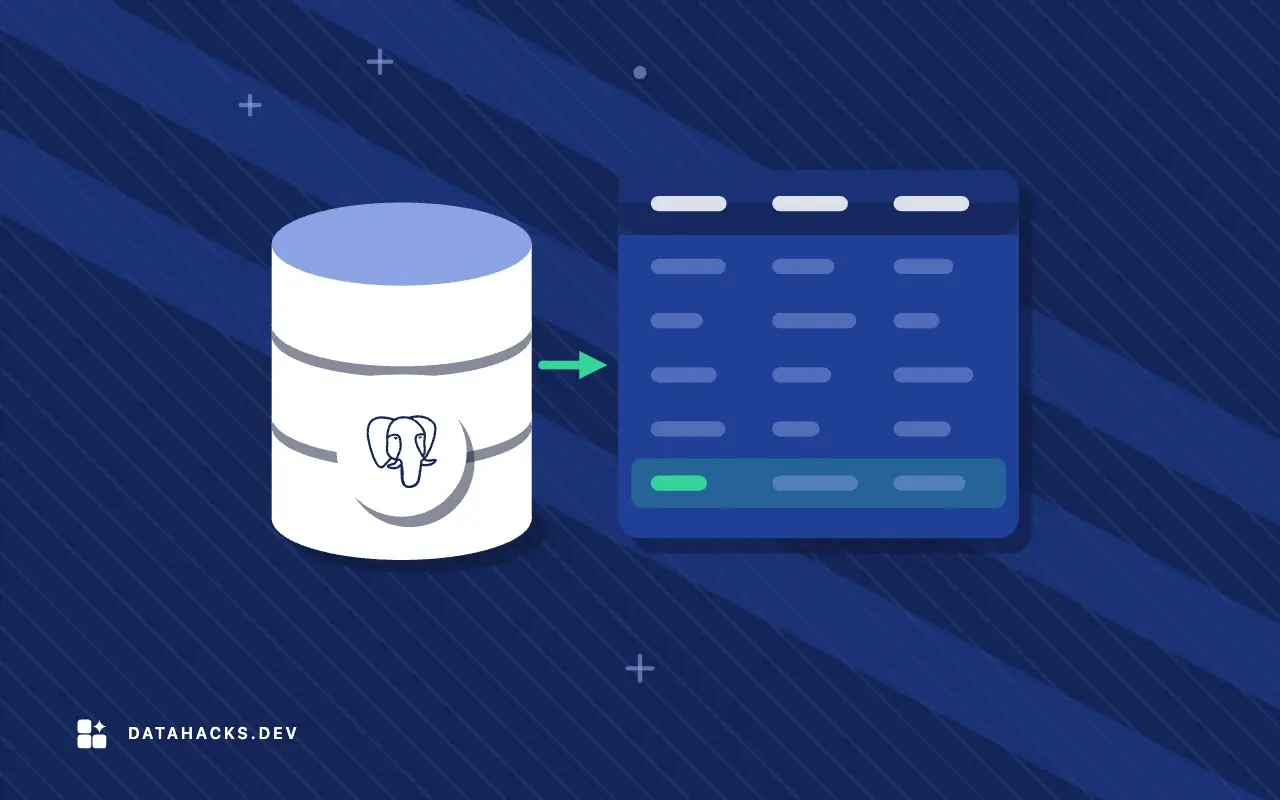
Create your first PostgreSQL role, database and schema: CREATE ROLE with LOGIN, a database with an owner, search_path, and the public schema change.
A decision guide for CSV files too big to open: look, count, sample, query in place, chunk, split, compress or convert, with numbers from a 1.3 GB file.
Well formed means the syntax parses, valid means it follows a DTD or XSD. Ten broken files and two schemas run through xmllint show what each catches.
Compare the XLS, XLSX and XLSB Excel formats on limits, size, macros and library support, detect which one a file really is, and pick one to hand over.
Split a Markdown file into YAML metadata and body with one regex, then handle dates, CRLF, a BOM, a missing closing line and body text with dashes.
Install MySQL 8.4 LTS on macOS, Ubuntu and Windows: package sources, first start, the root account, secure setup and checks that the server works.
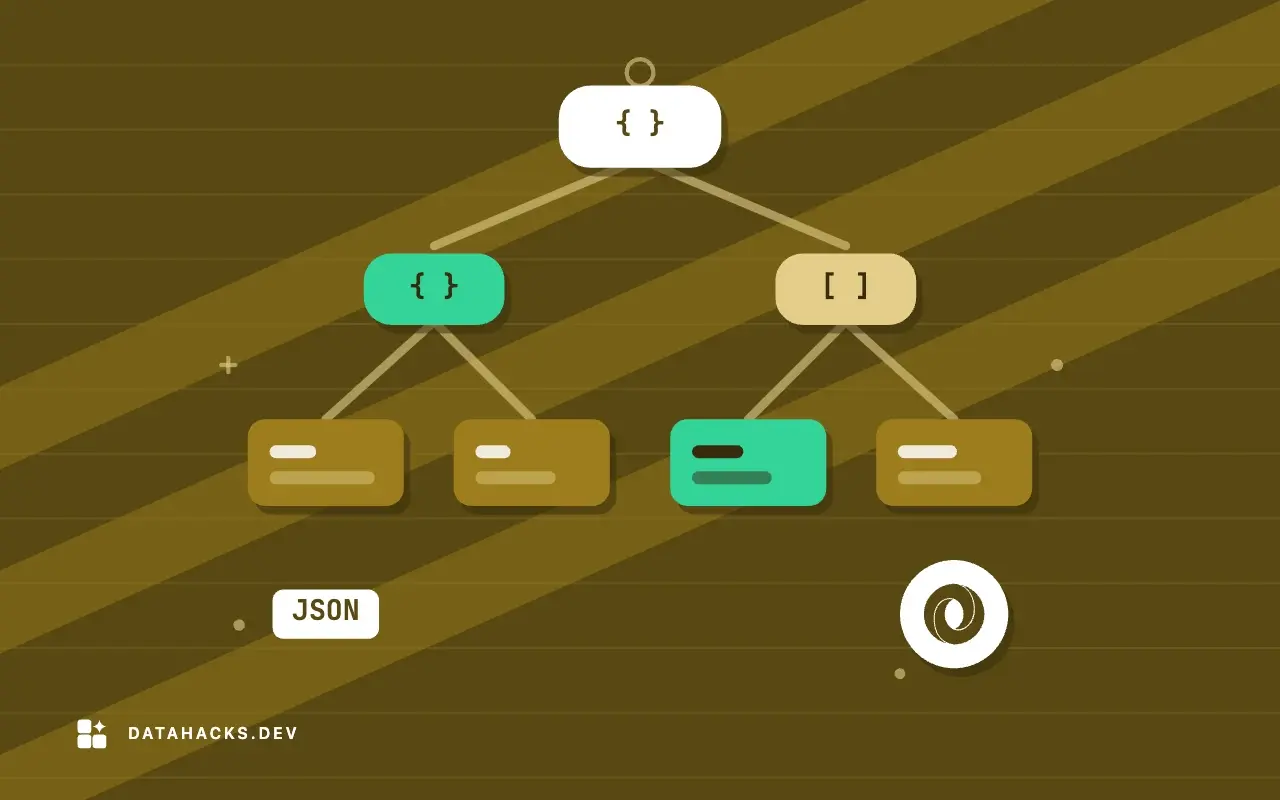
JSON has six value types and no date, binary, integer, decimal, set or undefined. See what Python and JavaScript do to each missing type when they serialize.
Run PostgreSQL in Docker with a named volume so data survives restarts, set the password and database on first start, publish the port safely and use Compose.
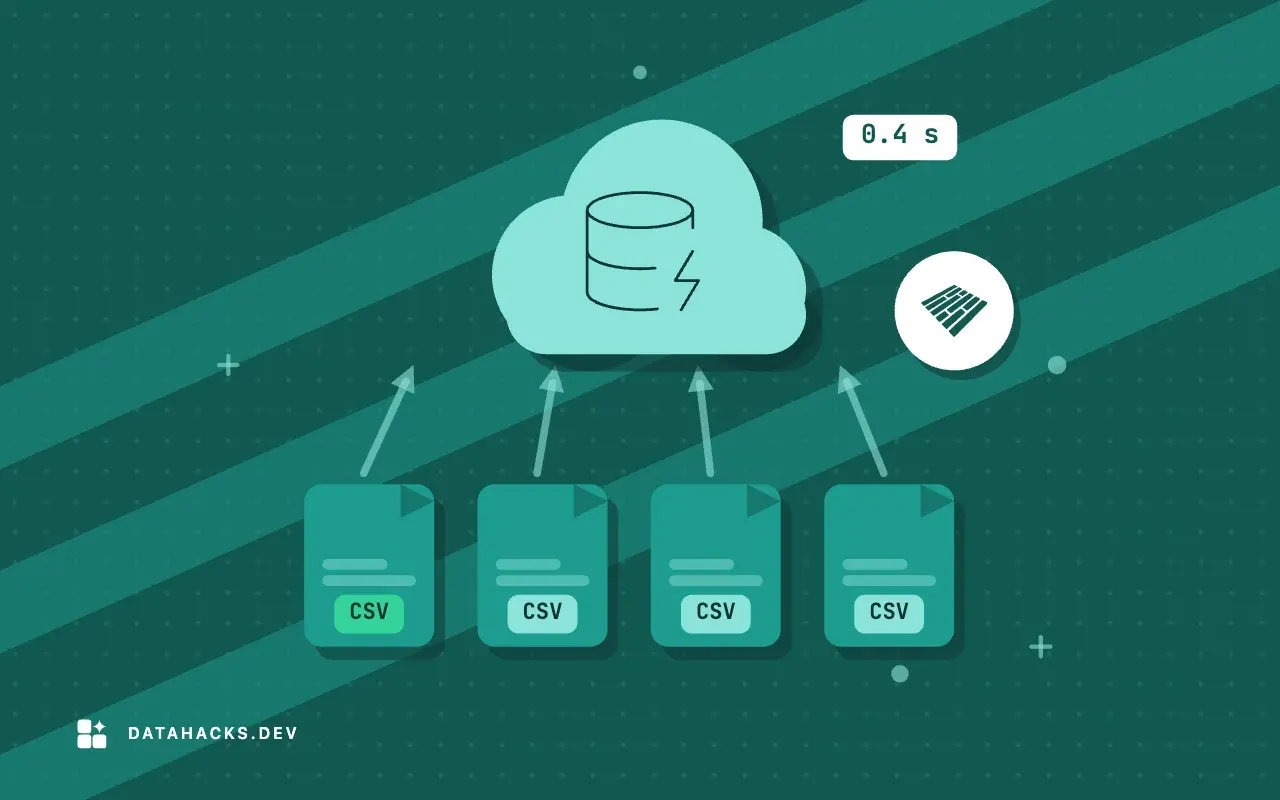
One DuckDB statement turned a 130 MB CSV into a 34 MB Parquet file; typed columns, dictionary encoding and min/max statistics explain the faster queries.
We send one email when a new article is published. No spam.