ExcelGuide
Excel Security Problems Developers Overlook in Pipelines
Excel risks a data pipeline inherits: formula injection, macros, zip bombs, XML entity attacks, hidden data and weak passwords, with the checks for each.
17 min read
Everything you need to level up your coding skills.
Excel risks a data pipeline inherits: formula injection, macros, zip bombs, XML entity attacks, hidden data and weak passwords, with the checks for each.
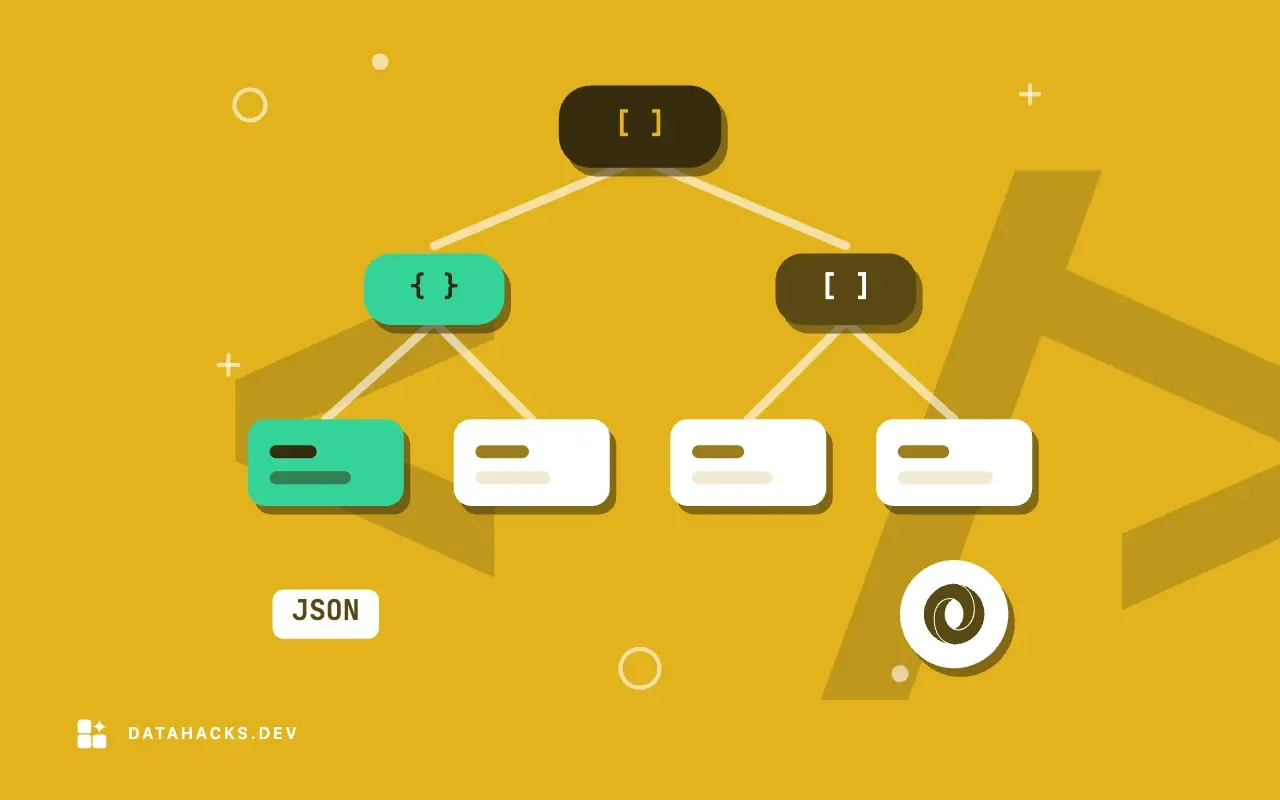
Use FLATTEN in Snowflake to turn VARIANT arrays and objects into rows, chain it for nested levels, keep empty parents with OUTER, and read its output columns.
Read CSV in C# with CsvHelper 33: case-sensitive headers, typed ZIP codes, silent ragged rows, and a de-DE culture that made a total 91 times too big.
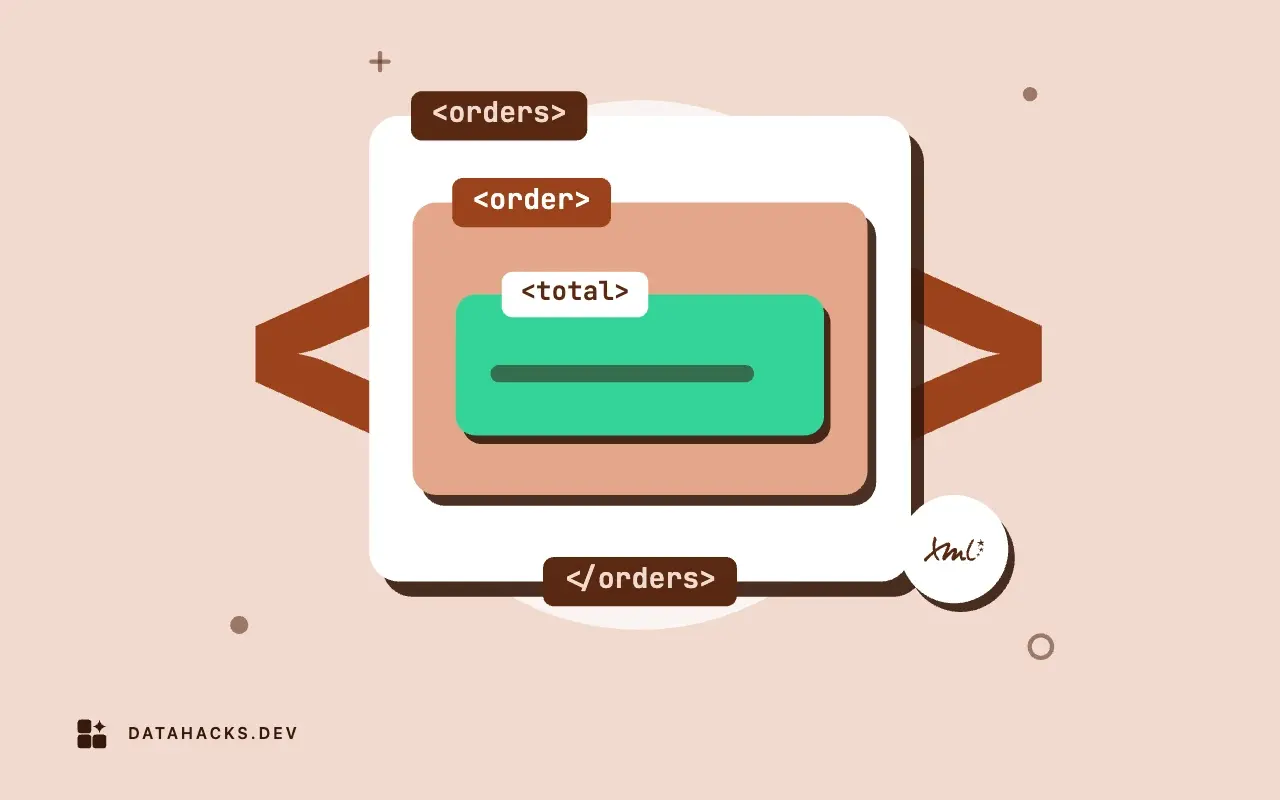
XML names are case sensitive and follow strict character rules. Compare camelCase, snake_case and kebab-case for elements, with the rules that decide.
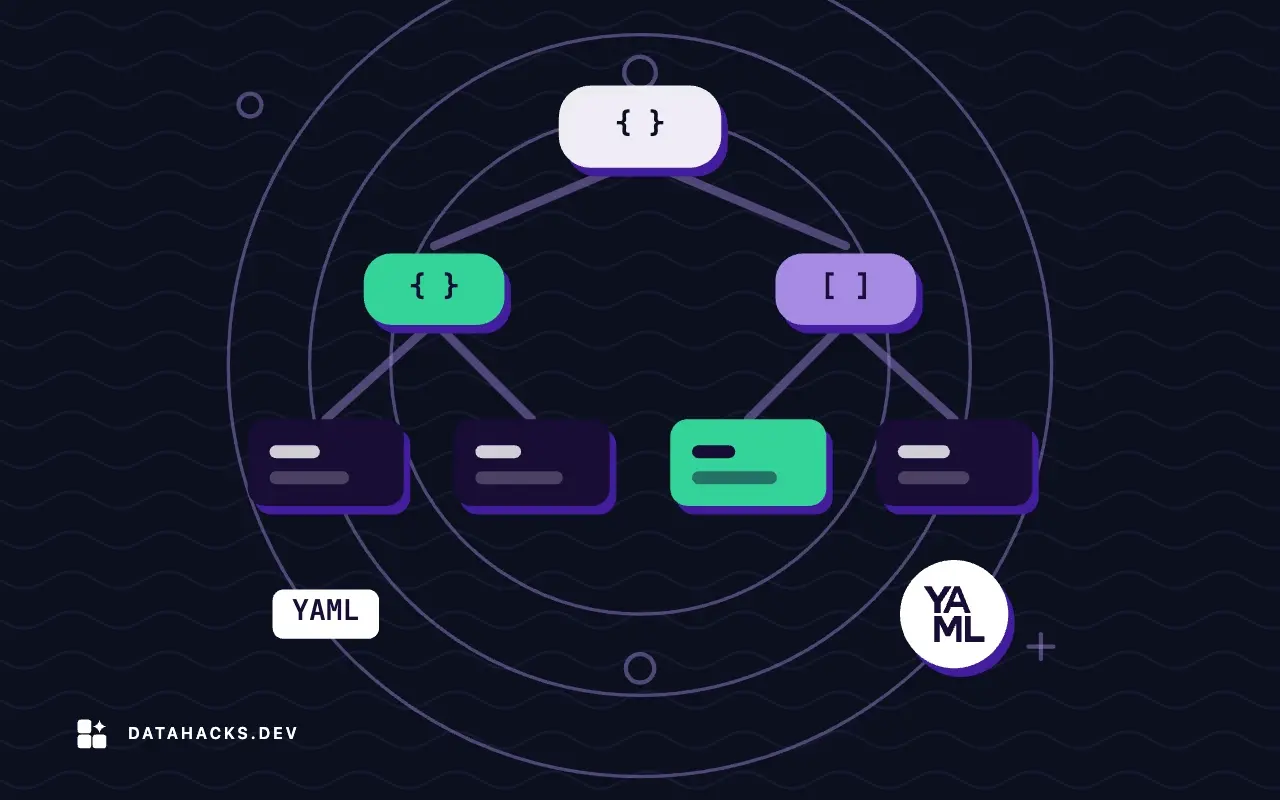
How a YAML tag makes a loader build arbitrary objects, with a harmless proof in PyYAML, what safe_load and full_load did with it, and Ruby and Java behavior.
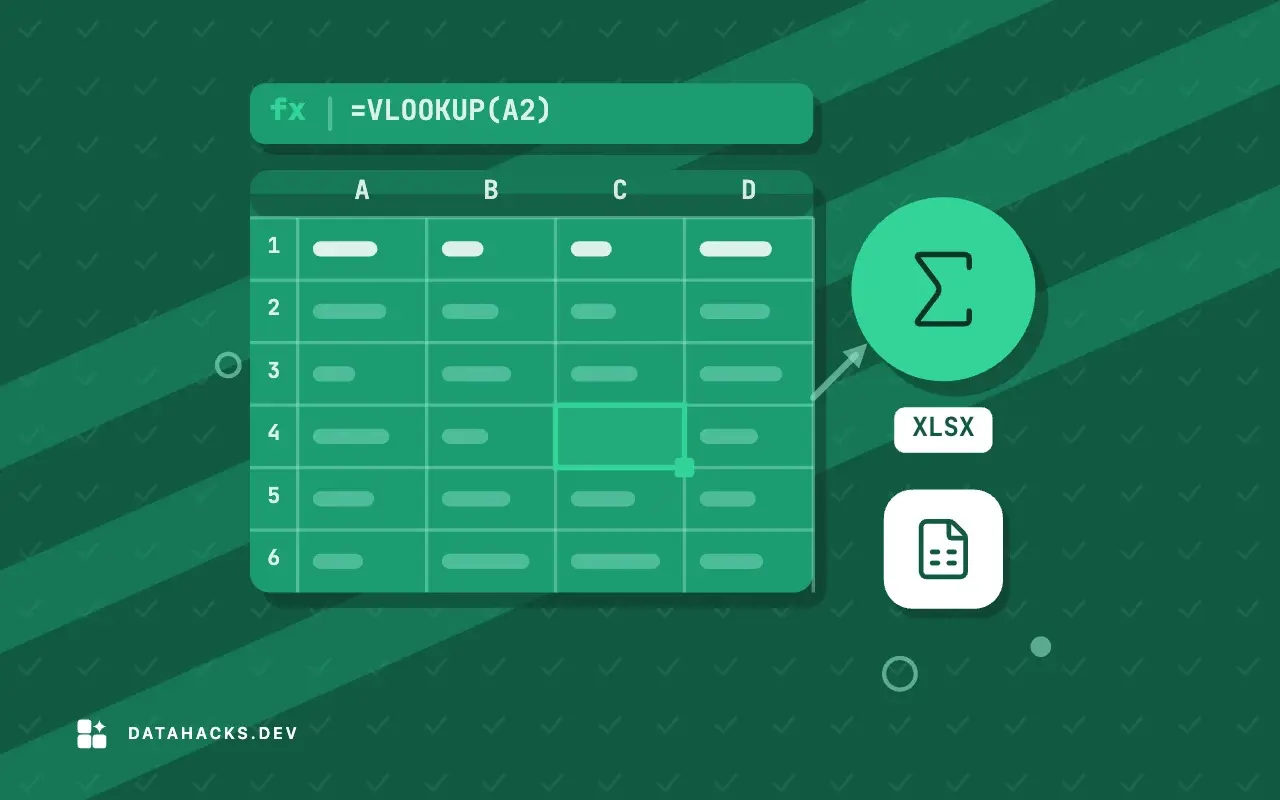
Export every sheet of an Excel workbook to its own CSV with pandas, openpyxl or LibreOffice, with safe file names, UTF-8, ISO dates and a manifest.
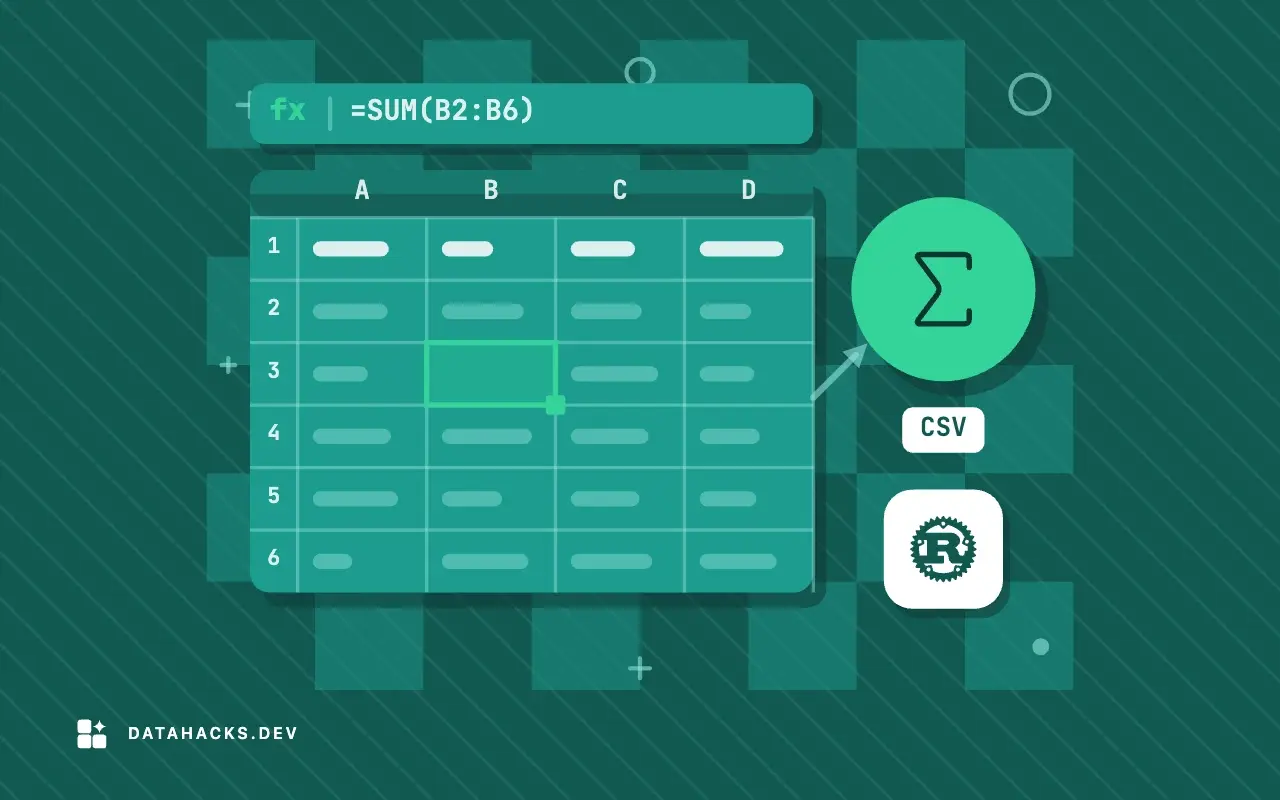
Parse CSV in Rust with the csv crate: StringRecord, ByteRecord and serde, UnequalLengths errors, typed ZIP codes and an unclosed quote it accepts.
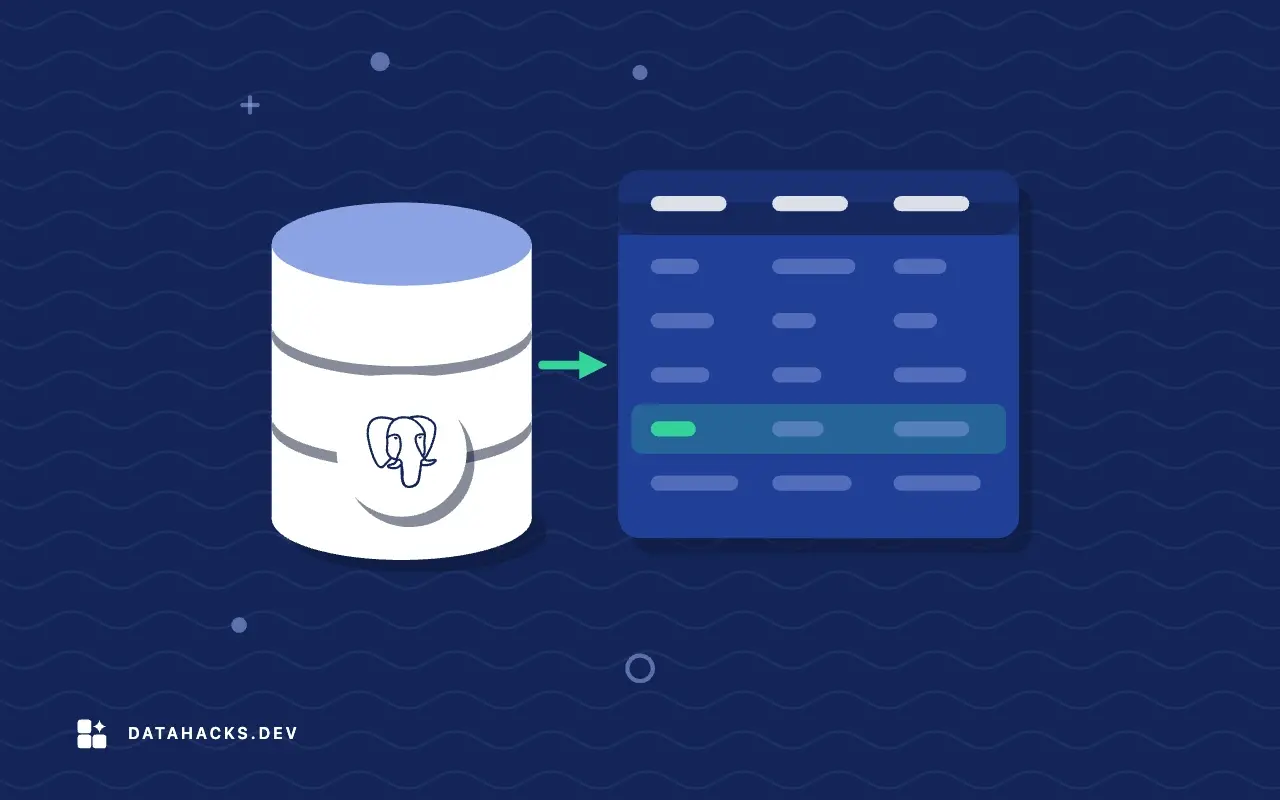
Nested loop, hash join and merge join compared in PostgreSQL: how each works, cost shape, memory and batches, plan clues and fixes when the choice is wrong.
Read JSON stored in a Snowflake VARIANT column with colon and bracket paths, cast the results, and handle JSON null, missing keys and case sensitivity.
A practical guide to XML format design: names, attributes, lists, optional data, binary, namespaces and versions, with a tested worked example.
Compare read_csv, fread and base read.csv on the same files: type guessing and ZIP codes, ragged rows, bad quotes, the BOM, and speed on 2,000,000 rows.
Convert Excel workbooks to CSV, JSON, XML and YAML without losing data: choose a format, read types, dates and headers, then verify with counts and schemas.
We send one email when a new article is published. No spam.