XML
Choosing Parquet After You Parse XML for Fast Analysis
A 132 MB XML file became 12.1 MB of Parquet. A grouped query ran in 19 ms against seconds of reparsing. How to write it, and when CSV or a database wins.
6 min read
Everything you need to level up your coding skills.
A 132 MB XML file became 12.1 MB of Parquet. A grouped query ran in 19 ms against seconds of reparsing. How to write it, and when CSV or a database wins.
Import Google Sheets data into a database reliably: read with a service account, pad rows, check the contract, load through staging and report rejected rows.
Split a JSON Lines file by line count, size or key with split and awk, keep every record whole, gzip chunks on the fly and process them in parallel.
mongoexport writes CSV only if you name the fields. See arrays, ObjectIds, nulls, the empty file and exit 0 on a typo, and 500,000 documents in 2.7 s.

Export an Oracle query to a quoted CSV with SQLcl: set the CSV format, spool to a file, fix date and number formats, and run it from a shell script.
Turn 24 Compose files into a table of services with Python and DuckDB and answer which images, versions and missing healthchecks they share, in a few queries.
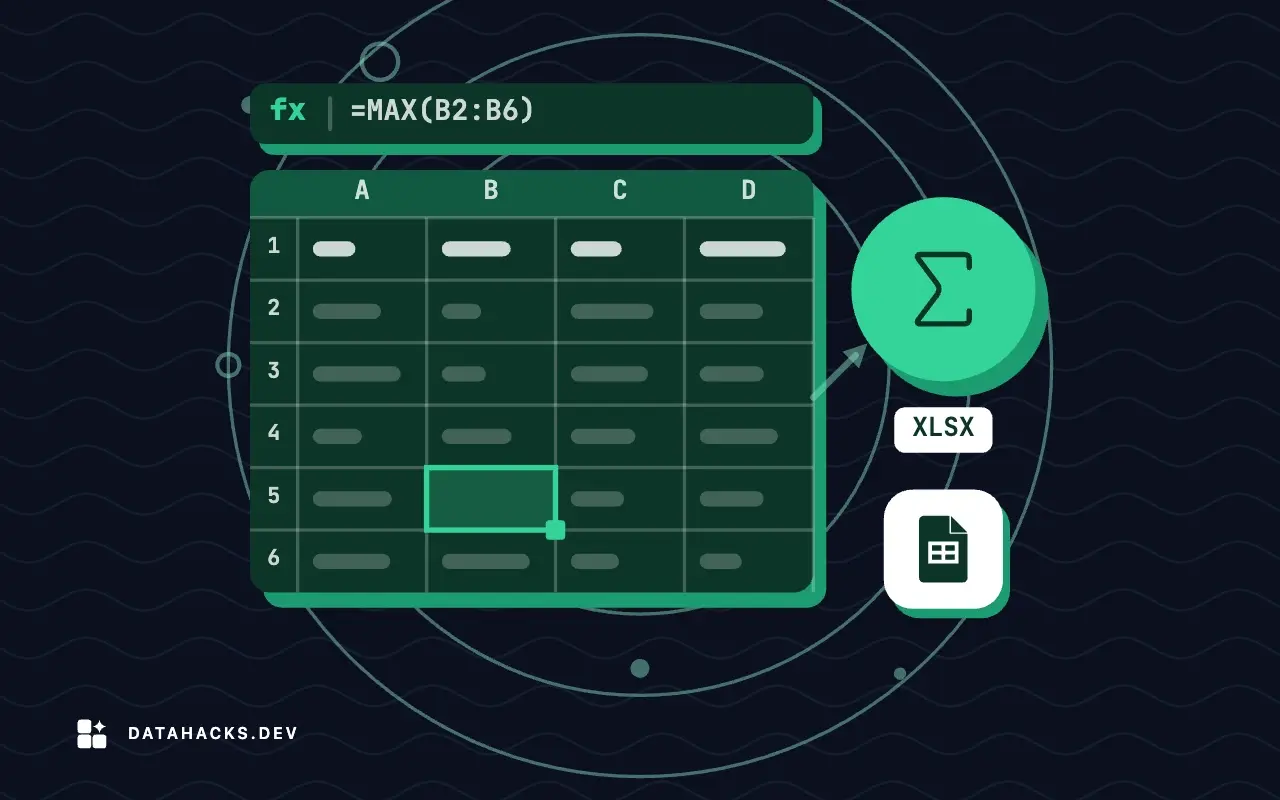
Run Google Sheets beside a database without chaos: import and publish data, use the API, compare QUERY with SQL, respect limits, plan the exit.
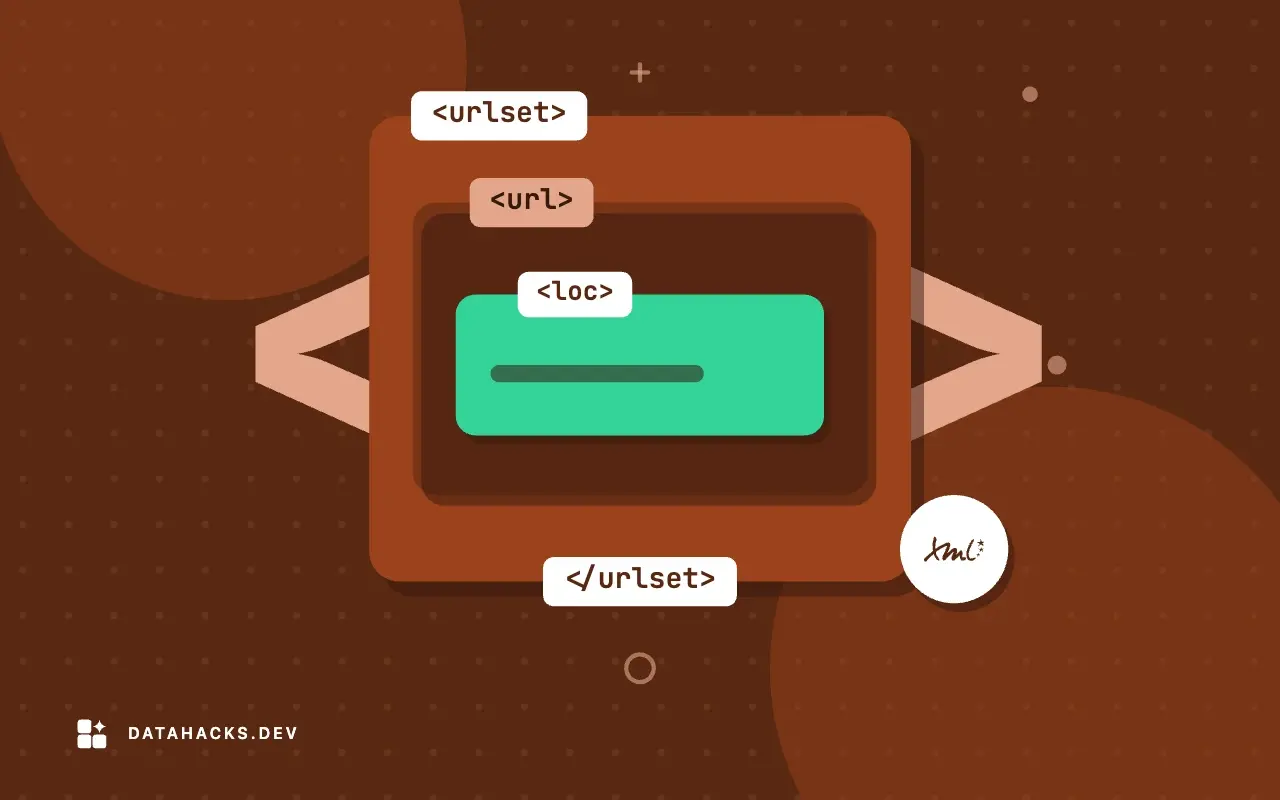
Spark 4.0 reads XML natively with rowTag. Tested on 100,000 orders: schema inference, explode for lines, the double precision trap and from_xml for strings.
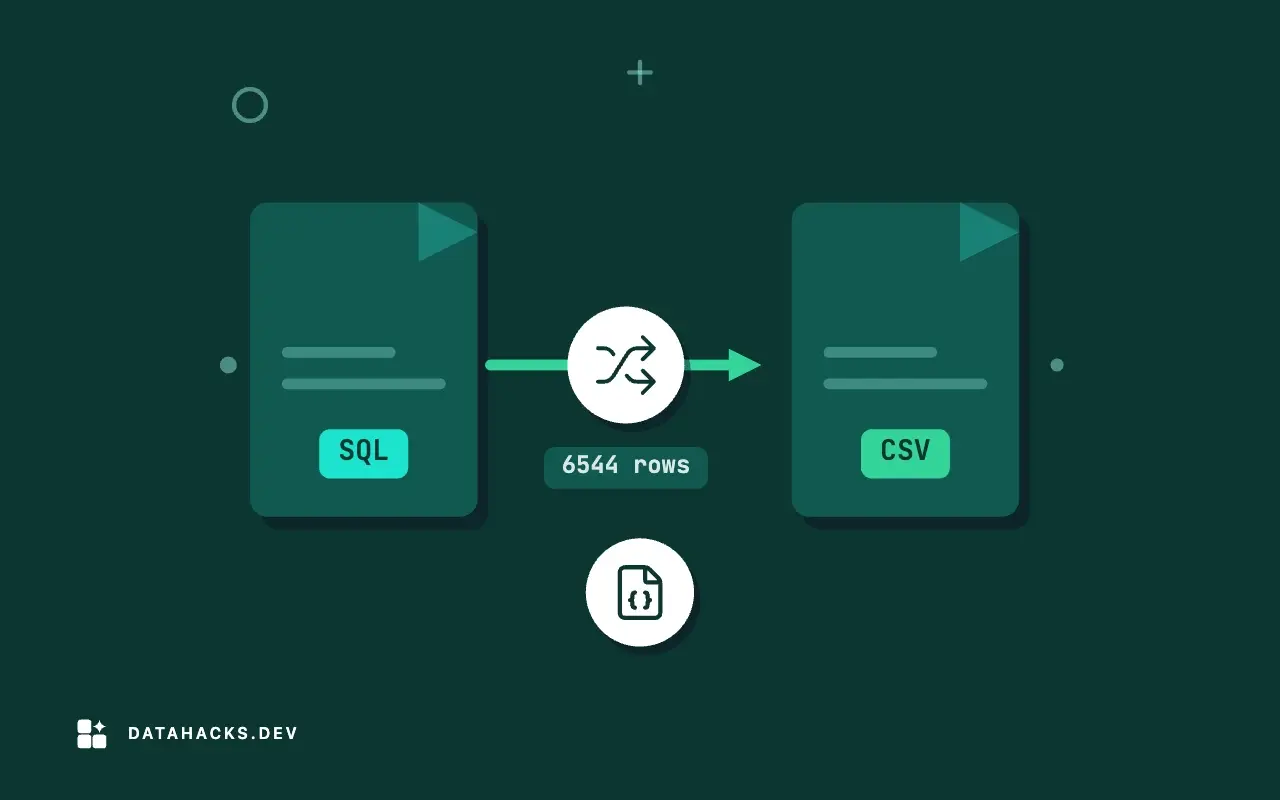
How to export a SQL Server query to a real CSV with bcp: add the header row, quote fields yourself, fix dates and NULLs, and pick the right encoding.
JSON Lines or CSV for event exports? Measured file size, compressed size and read time on 200,000 events, plus nesting, sparse fields and null handling.
Keep the SQL behind an Excel report in Git: one file per query, parameters, reviewed changes, tests, and the commit hash written into the workbook.
INTO OUTFILE writes on the server and its popular recipe corrupts newlines and NULLs: 4 of 8 rows read back. A variant reads 7, a client script reads 8.
We send one email when a new article is published. No spam.