CSV
Calculating Month Over Month Growth From a CSV in SQL
Compute month over month growth with lag(): revenue of 46.50, 202.00 and 382.00 grew 334.4% and then 89.1%. Partial months, gaps and a zero base need care.
6 min read
Everything you need to level up your coding skills.
Compute month over month growth with lag(): revenue of 46.50, 202.00 and 382.00 grew 334.4% and then 89.1%. Partial months, gaps and a zero base need care.
Measure what a YAML pipeline file costs to load, validate and order from 100 to 50,000 steps, then see where the file stops being the right place for logic.
Compare Excel approximate match lookups with SQL range joins for tiers, rates and bands: how each handles gaps, boundaries and overlaps, and which to use.
Build one internal model and two small renderers, negotiate the format with the Accept header, and test that both carry the same data on awkward cases.
Flatten JSON arrays into rows in PostgreSQL with CROSS JOIN LATERAL, jsonb_to_recordset and WITH ORDINALITY, keep empty arrays, and compare MySQL and SQLite.
Find and fill missing days in a CSV time series: build a calendar with range(), left join the data and choose zero, carry-forward or interpolation.
Count distinct customers per month in Excel with UNIQUE and FILTER, SUMPRODUCT or a PivotTable, and in SQL with COUNT(DISTINCT), with blanks handled.
Indexes and primary keys on partitioned tables in PostgreSQL: the partition key rule, local indexes, ON ONLY builds, foreign keys and lookup patterns.
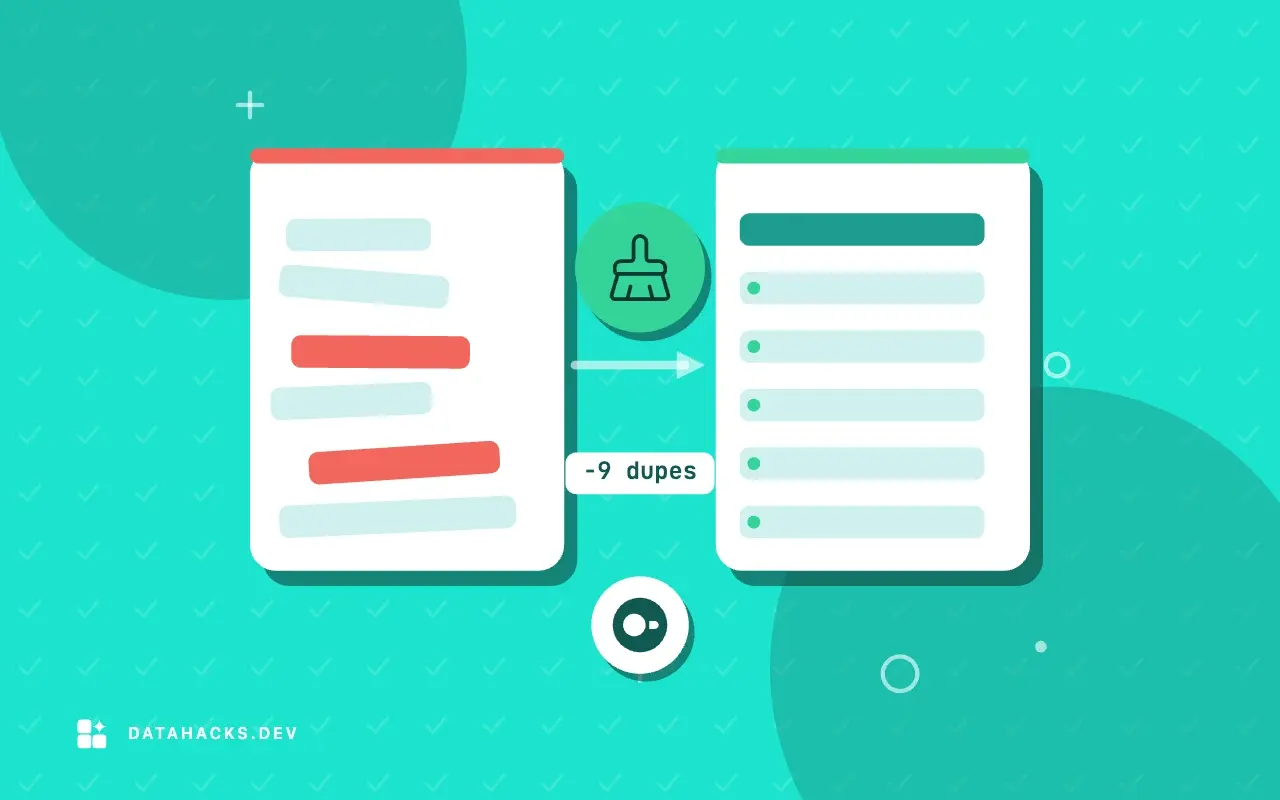
Join two CSVs on a messy key: a strict join matched 1 of 4 orders, a normalized key matched 3, and an anti-join listed the rest. Check counts and duplicates.
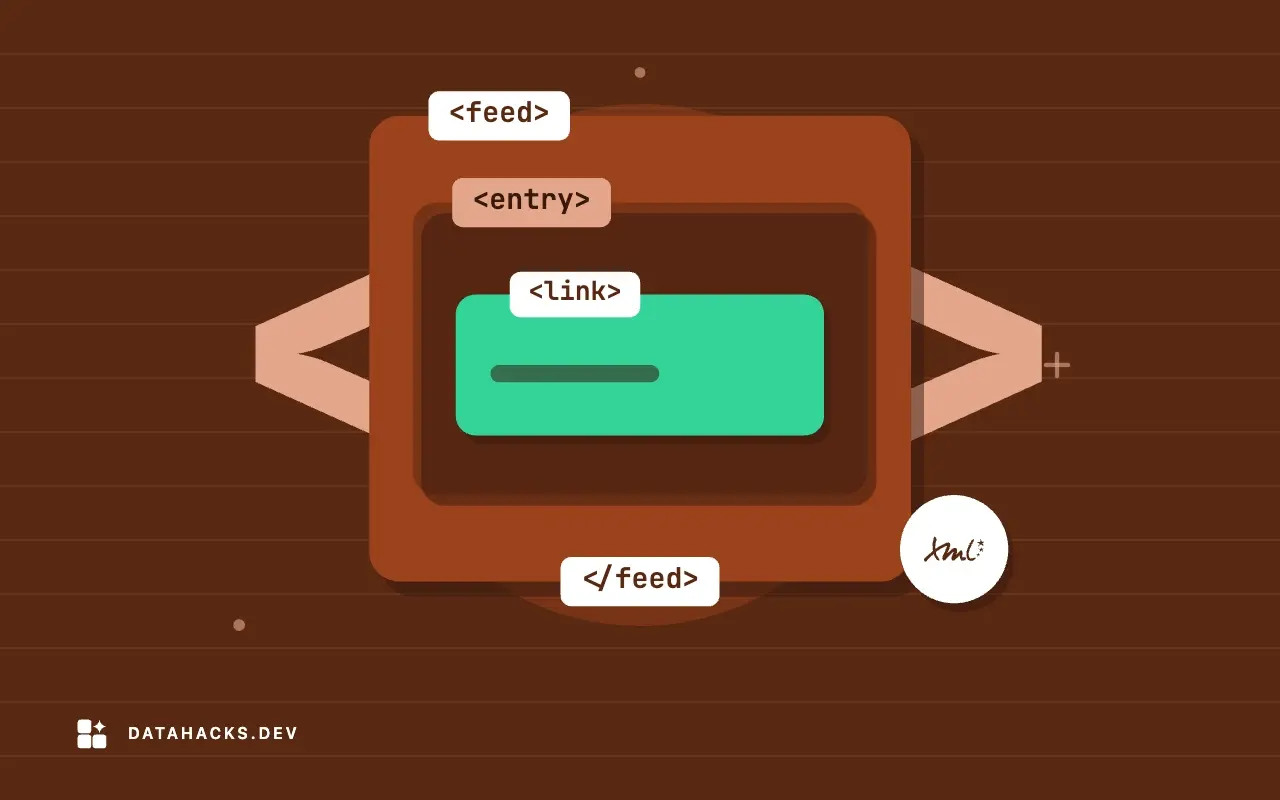
A step-by-step plan for moving an XML service to JSON without breaking consumers: freeze, map, run both, measure, announce a date and retire.
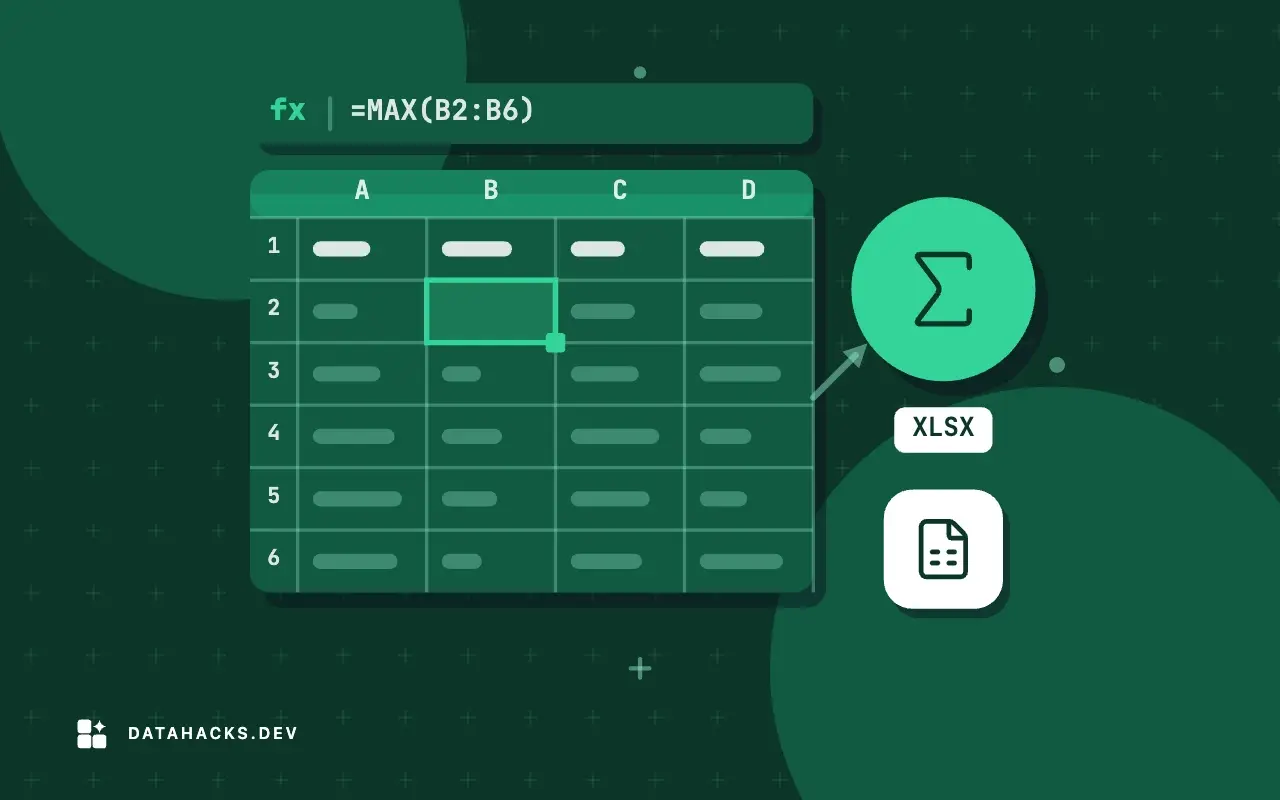
Remove duplicate rows but keep the latest per key, in Excel with sort and Remove Duplicates, XLOOKUP or SORTBY, and in SQL with DISTINCT ON or ROW_NUMBER.
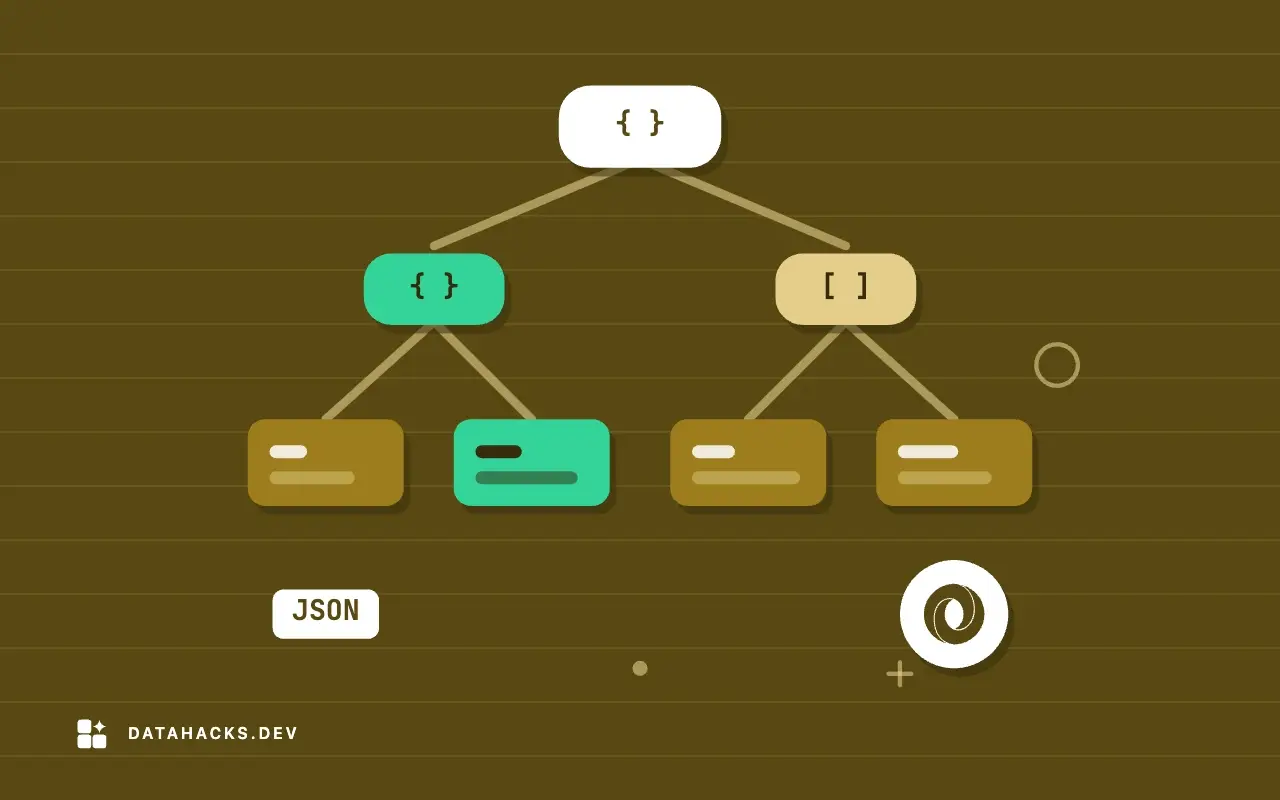
Which schema changes break old producers and old consumers: a tested compatibility matrix, open versus closed objects, version numbers and a CI check.
We send one email when a new article is published. No spam.