JSONGuide
Moving Between JSON and MongoDB Documents Without Loss
A working guide to moving data between JSON and MongoDB: types, import flags, Extended JSON exports, round trips, flattening, nested queries, validation.
17 min read
Everything you need to level up your coding skills.
A working guide to moving data between JSON and MongoDB: types, import flags, Extended JSON exports, round trips, flattening, nested queries, validation.
Version Excel template layouts so the loader recognizes old files: a version cell, compatible changes, migration rules, a support window and a changelog.
Import a CSV into Google Sheets without losing zeros or flipping dates: the import dialog, the locale, IMPORTDATA and an Apps Script that keeps text.
Partition pruning in PostgreSQL explained: plan time and run time pruning, what defeats it, how to read EXPLAIN output and a checklist for fixing queries.
Give notes, comments and instructions their own place in an import template so the data sheet stays a clean table, and make the loader ignore strays.
Two different tools are called yq. Both read XML and print JSON or YAML, with different prefixes for attributes. See each one's output and which you have.
Excel adds trailing commas and blank rows to a CSV when empty cells outside your data hold formatting. Find the used range, clear it and check the file.
A working guide to loading JSON APIs into a database: raw pages, pagination, rate limits, upserts, cursors, shape checks and retries, with a tested loader.
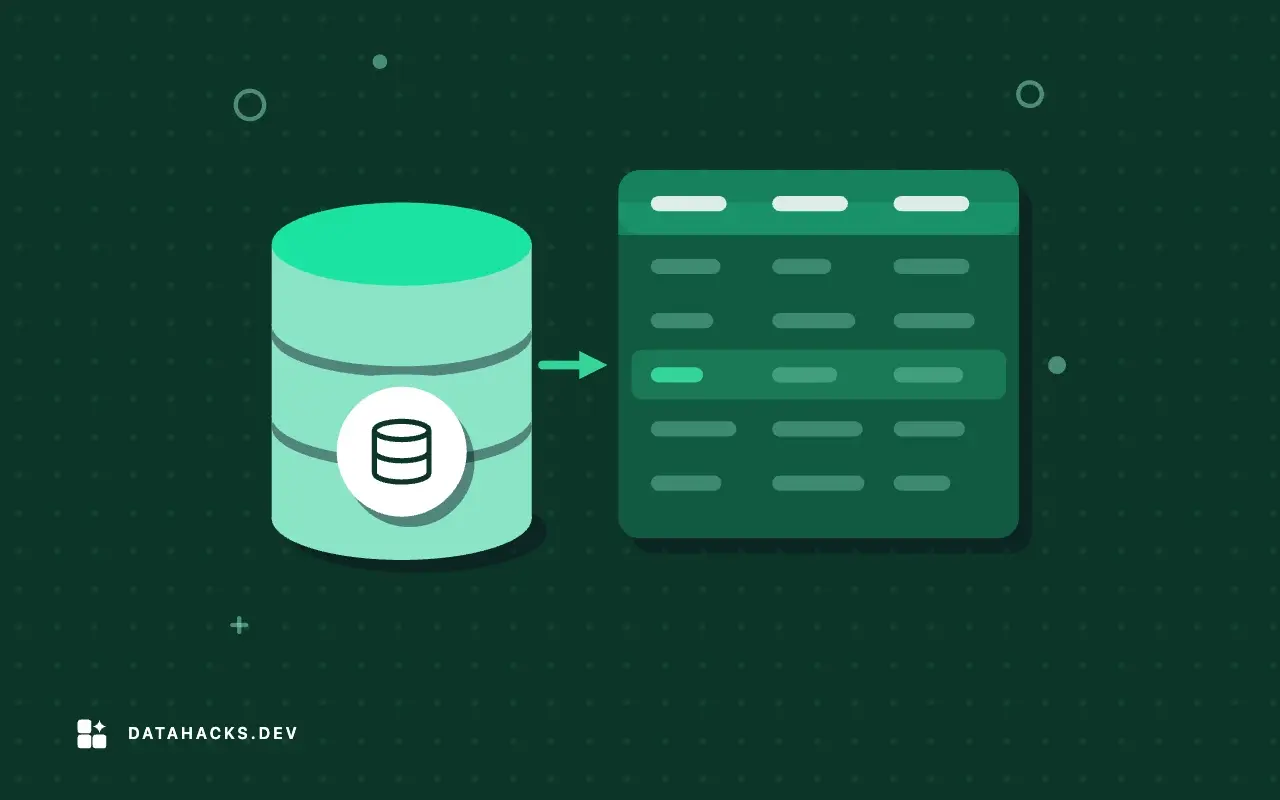
Map Excel template columns to database types: text for identifiers, real dates, fixed-decimal numbers, flags and lists, with validation and checks.
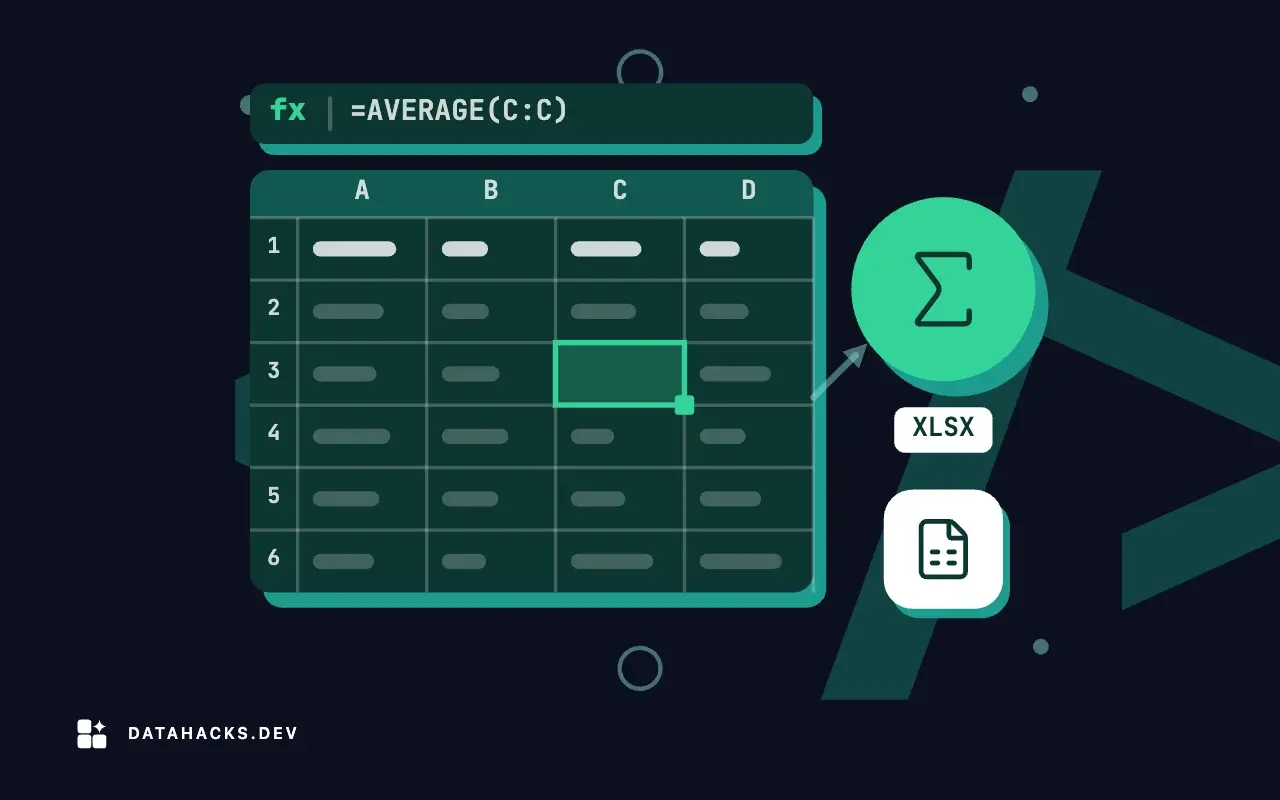
Excel puts a whole CSV row in one cell for five different reasons. Learn how to tell which one you have by reading the first line of the file.
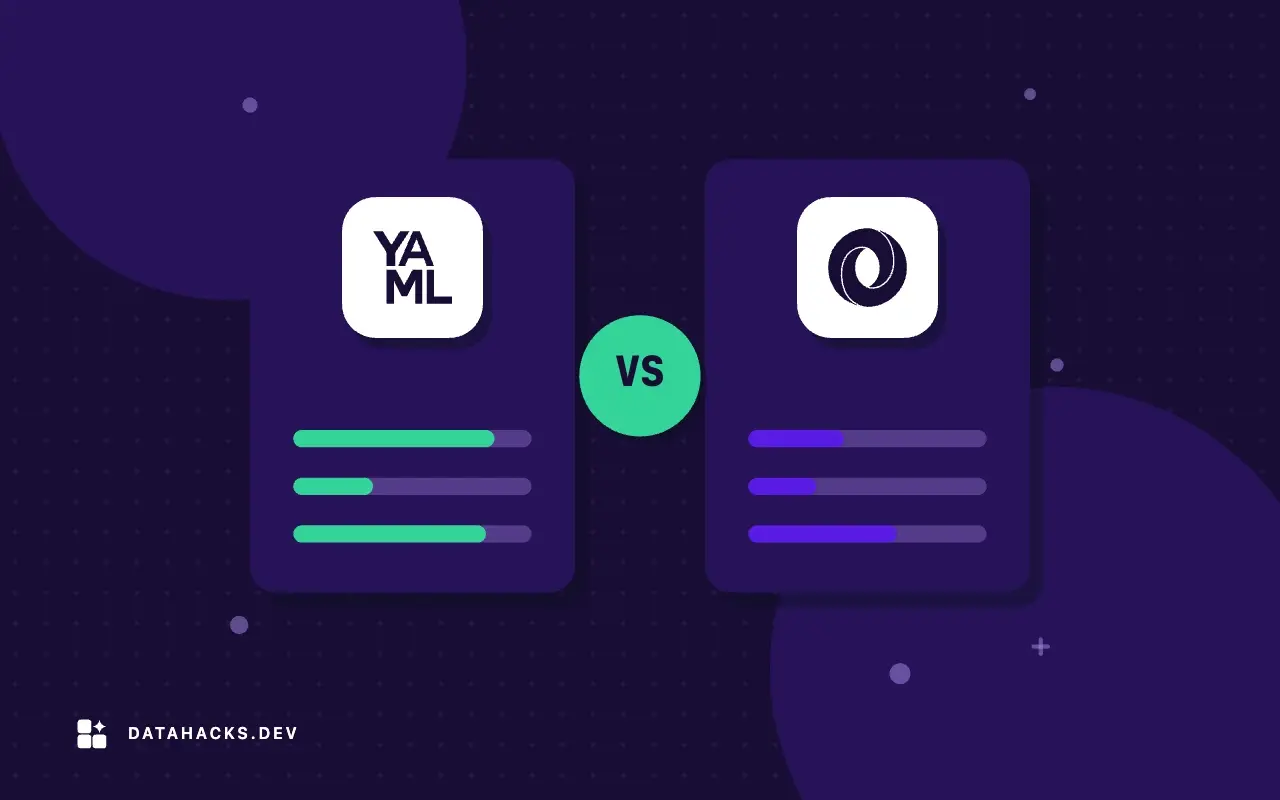
Comments, types, size, parse speed and safety compared with measured numbers, plus why JSON is nearly valid YAML. One format costs 55 times more to parse.
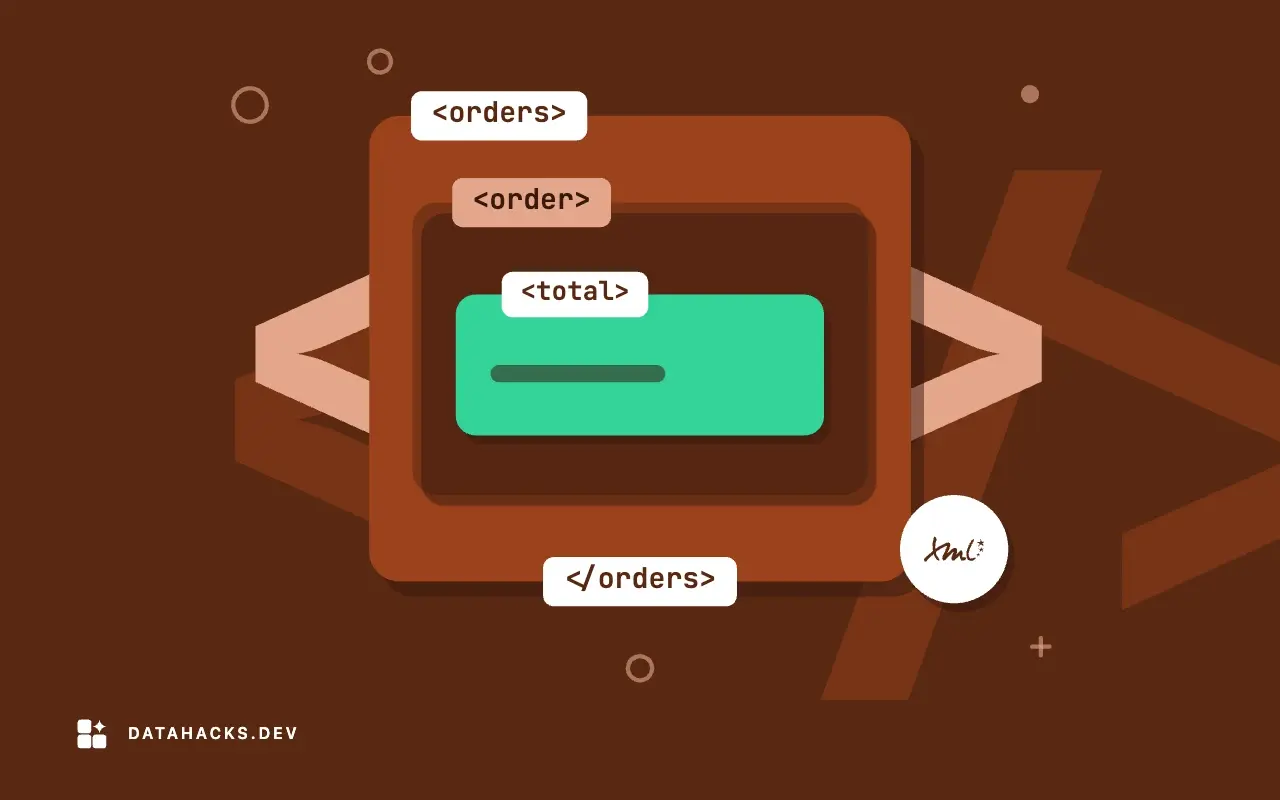
Change a value, add an attribute and delete an element in XML from a script with xmlstarlet or lxml, and compare with sed on diffs, comments and escaping.
We send one email when a new article is published. No spam.