Excel
Using Excel Tables for Structured Input in Data Entry
Use Excel tables for data entry: automatic expansion, calculated columns, structured references, validation that follows new rows, and reading tables by name.
7 min read
Take messy CSV, JSON and spreadsheets and land them in tables without losing a row or a character on the way.
Use Excel tables for data entry: automatic expansion, calculated columns, structured references, validation that follows new rows, and reading tables by name.
Protect Excel formula cells from accidental edits: lock cells, protect the sheet, allow sorting and filters, hide formulas, and set it up from code.
How Excel data validation lists behave and where they stop: the 255 character typed list, range sources, long lists, dependent dropdowns and pasting.
Control what goes into a shared spreadsheet: templates, data validation, tables, protection, error flags and import checks that stop bad data at the source.
Pull the title with inline markup, authors with ORCID and affiliations, group authors, editors and the several dates out of one JATS article front matter.
A shopping feed with a namespace, prices written as 12.50 EUR, optional sale prices and repeated shipping and image fields, flattened into three clean tables.
A join between parsed XML orders and a customer CSV silently dropped 1,280 lines and 3.2 million in revenue. Find the unmatched keys and normalize them.
Land source XML unchanged, compressed, partitioned by date and described by a manifest with a checksum, so parsing can be rerun when the rules change.
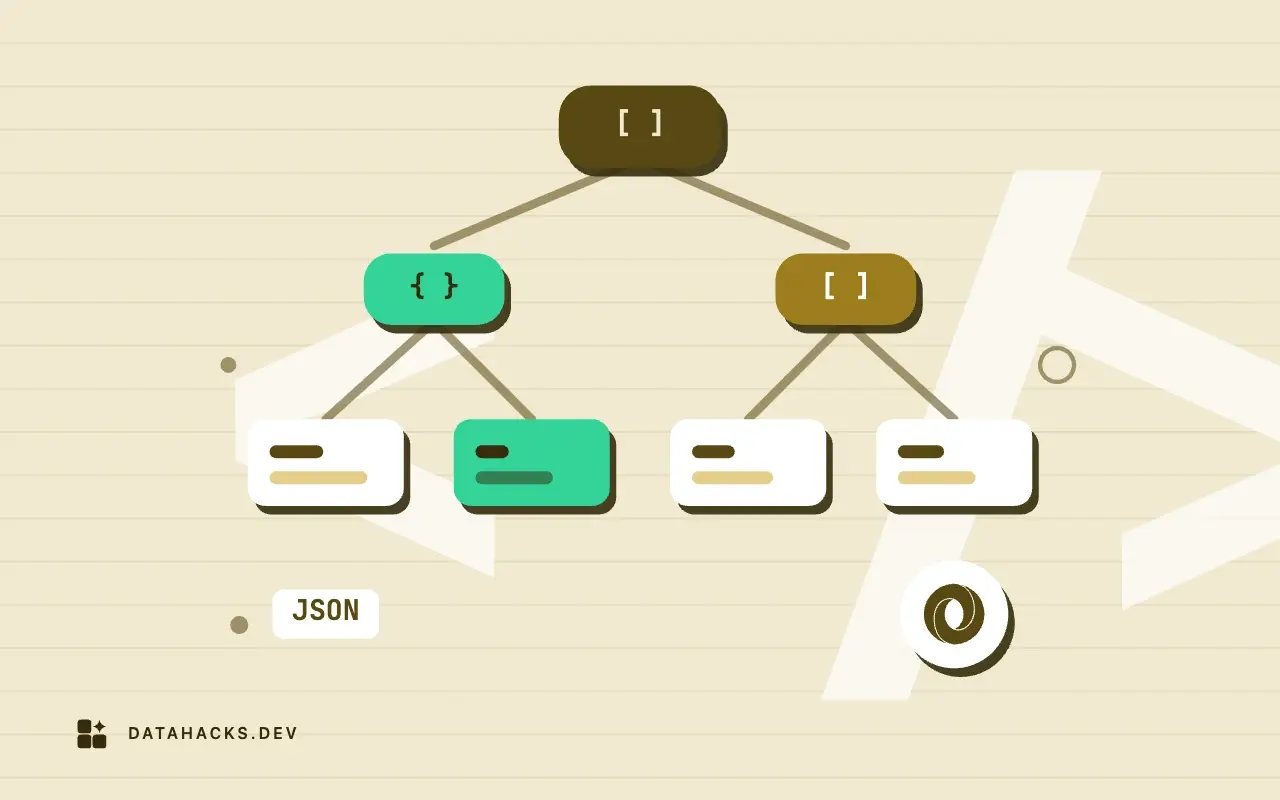
Read a package metadata document where version numbers are keys: json_each, DuckDB MAP inference, semver sorting, dist-tags versus max, and the time map.
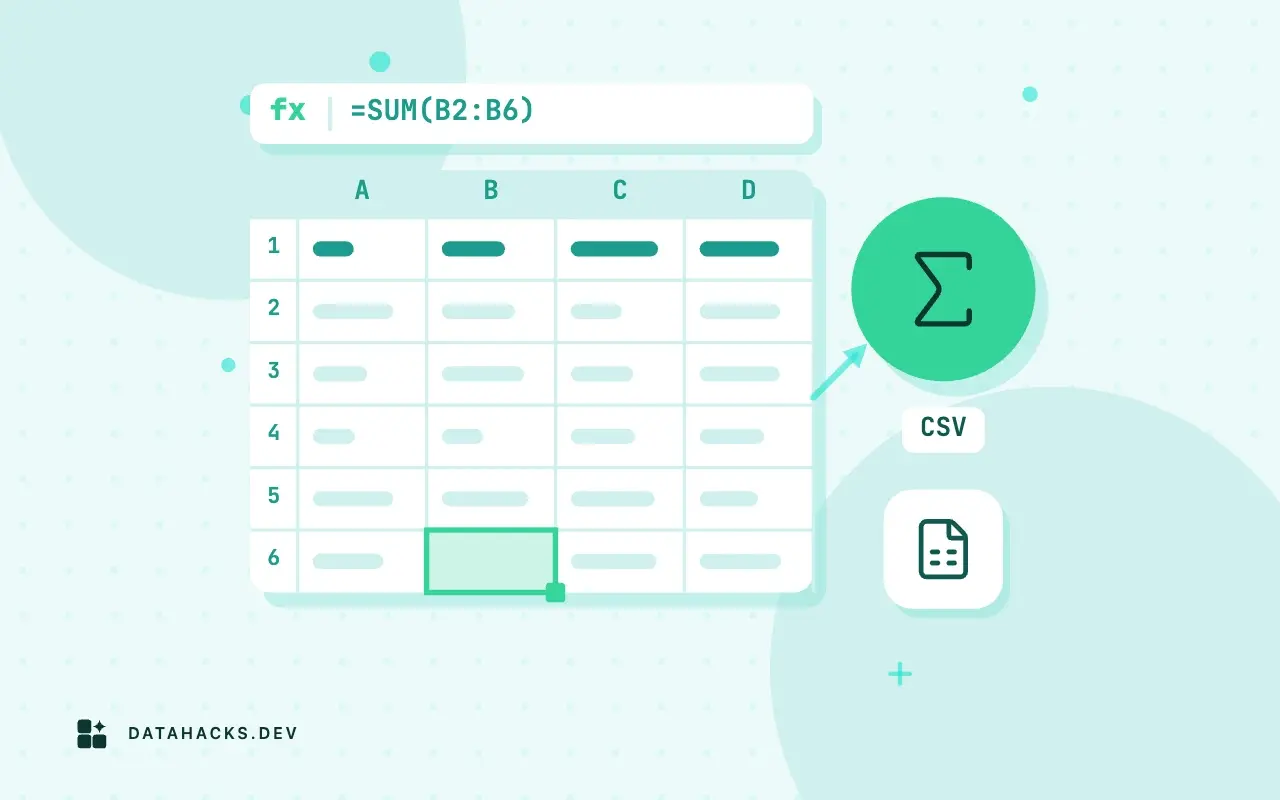
A survey CSV has one column per question, 300 wide. Unpivot it to long form with DuckDB, drop blanks, name the questions and check the answer count.
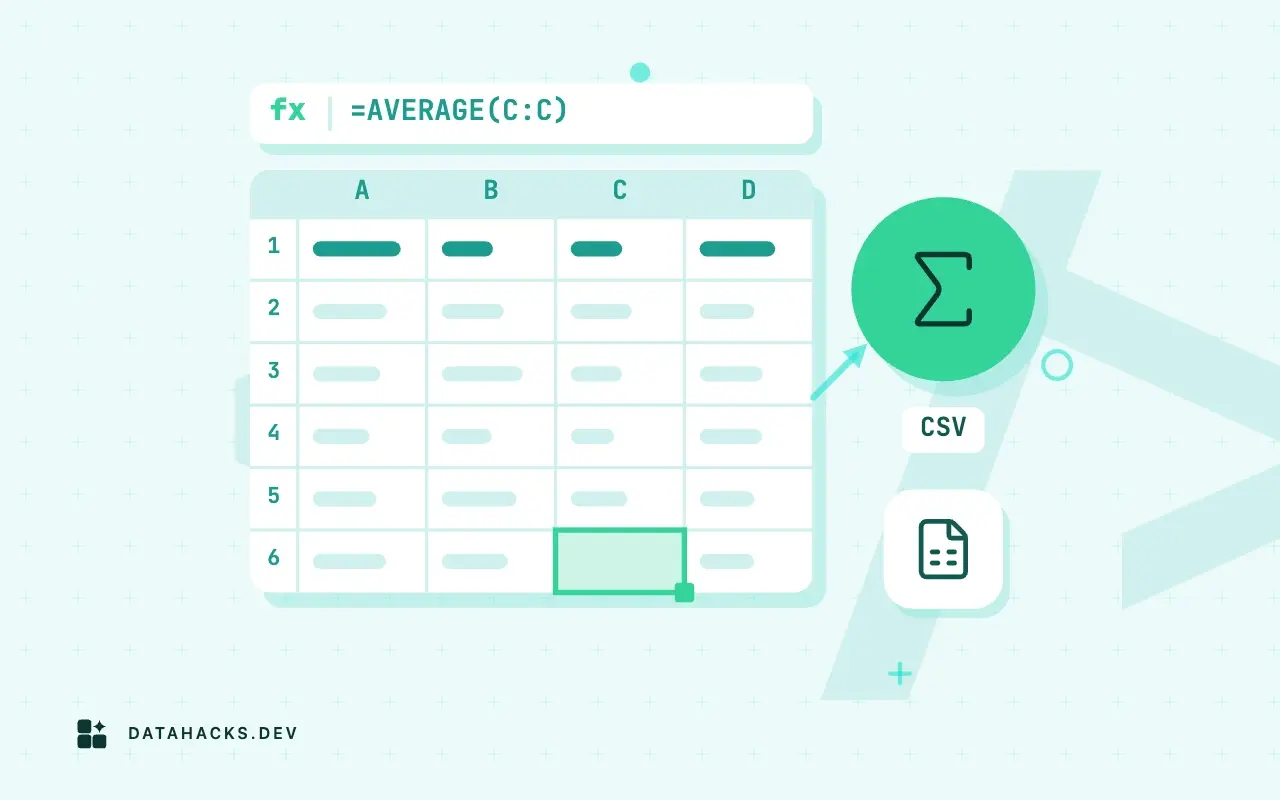
Statistical CSVs put flags in value cells: 1,204,300 (p), 5.3 e, and dots for missing. Split number from flag, keep both and check against the stated total.

A log export has quotes inside quoted fields without doubling them. See what Python and DuckDB return, which setting reads them right and how to prove it.
We send one email when a new article is published. No spam.