Excel
Keeping Excel as the Front End to a Database Safely
Keep Excel for reading and analysing database data through queries and refresh, and decide how writes should reach the database without losing rules.
7 min read
Everything you need to level up your coding skills.
Keep Excel for reading and analysing database data through queries and refresh, and decide how writes should reach the database without losing rules.
Replace columns like Phone 1, Phone 2, Phone 3 from an Excel sheet with a child table: unpivot in SQL or pandas, drop blanks, add keys and check the counts.
Turn a wide Excel sheet into database tables: find the entities, choose keys, remove repeated groups and derived columns, and check the design with queries.
Move an Excel workbook into PostgreSQL: staging table, clean, normalized tables, constraints, roles, a verified load, and Excel as the read connection.
Move an Excel list into SQLite: clean it, design tables, load with Python, add constraints, query from Excel and know the limits for a small team.
Ten concrete signs that an Excel file has become a database, from several editors to lost updates and broken lookups, with a quick test for each.
How to tell that an Excel file now behaves as a database, choose SQLite, Access or PostgreSQL, design tables, migrate safely and keep Excel as a reader.
Test a generated Excel report with pytest: structure, control totals, formulas, formats and edge cases, plus a fixture of bad input and a golden file.
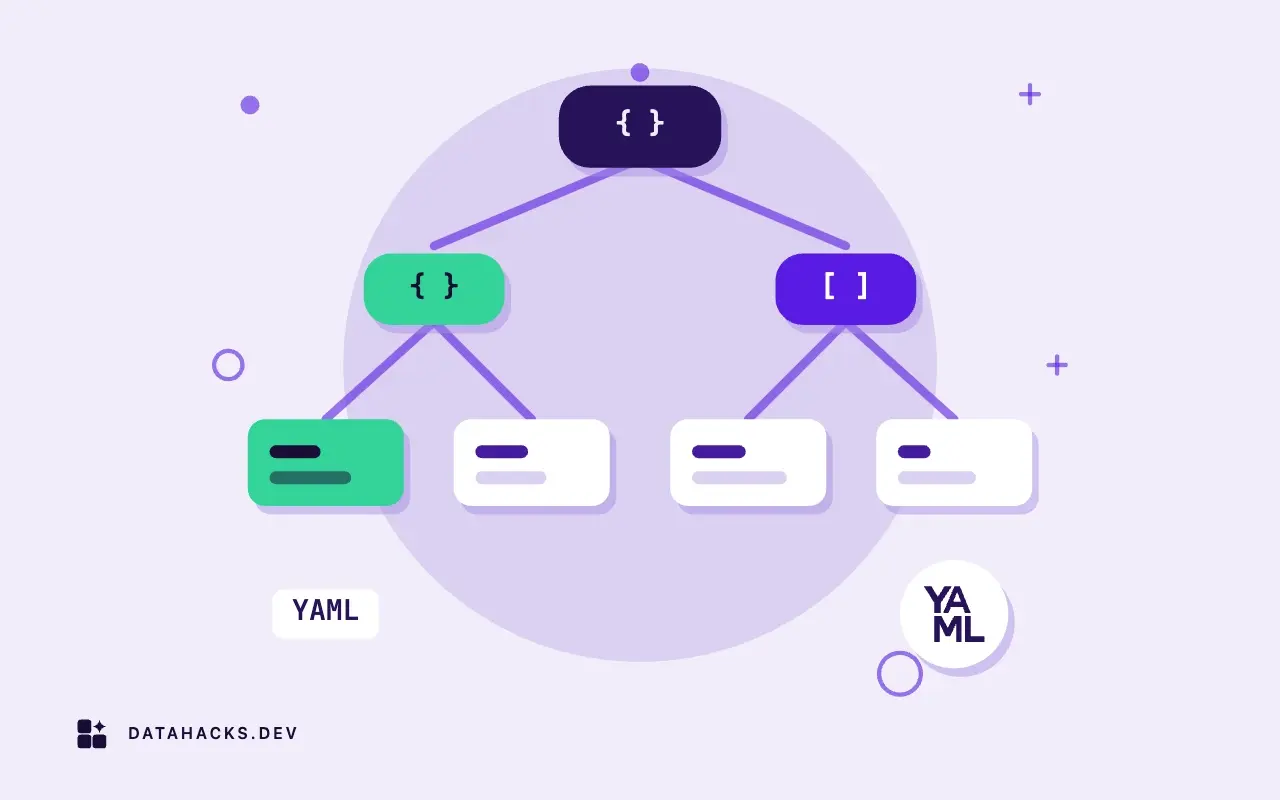
Edit a YAML file in code and keep its comments, anchors and quotes. PyYAML drops them, ruamel.yaml and yq keep them, and each changes some whitespace.
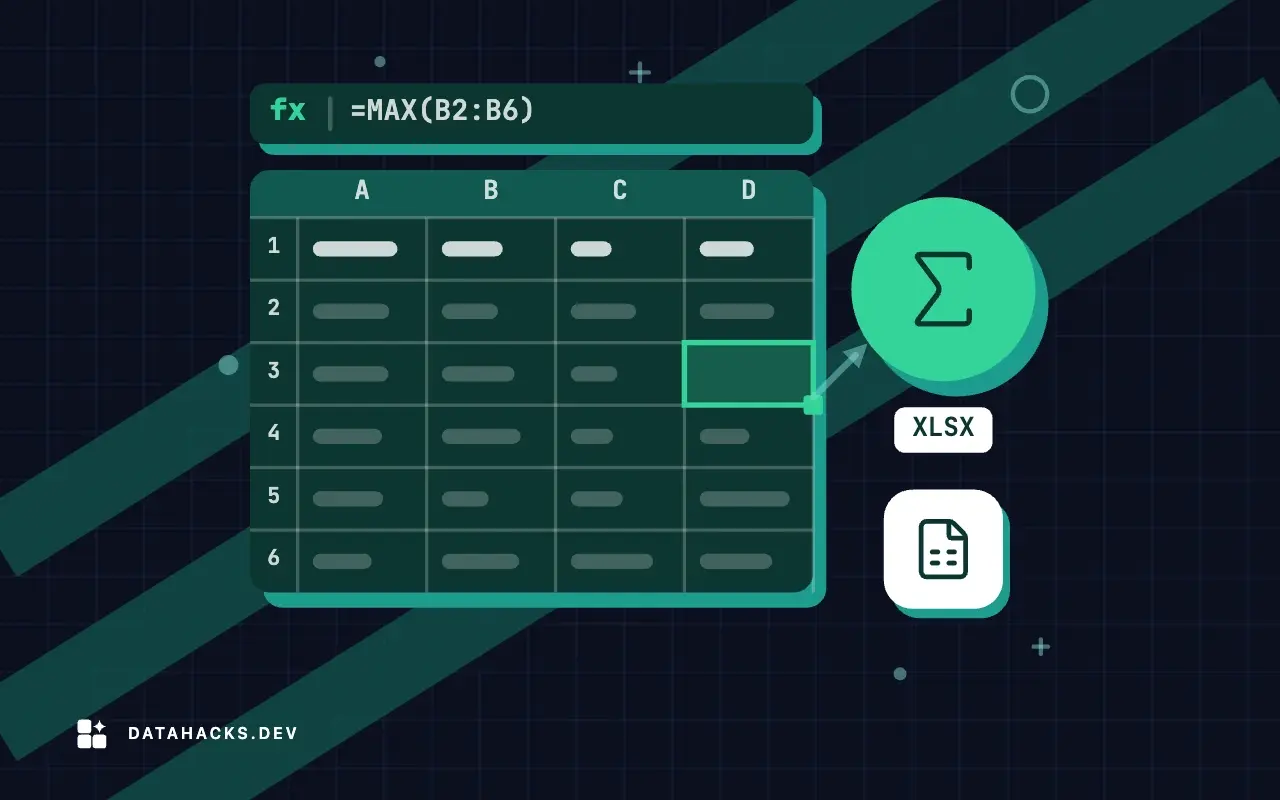
Where Excel's CSV departs from RFC 4180: delimiter, encoding, BOM, the sep line, displayed values, formulas and the ID trap, plus a converter script.
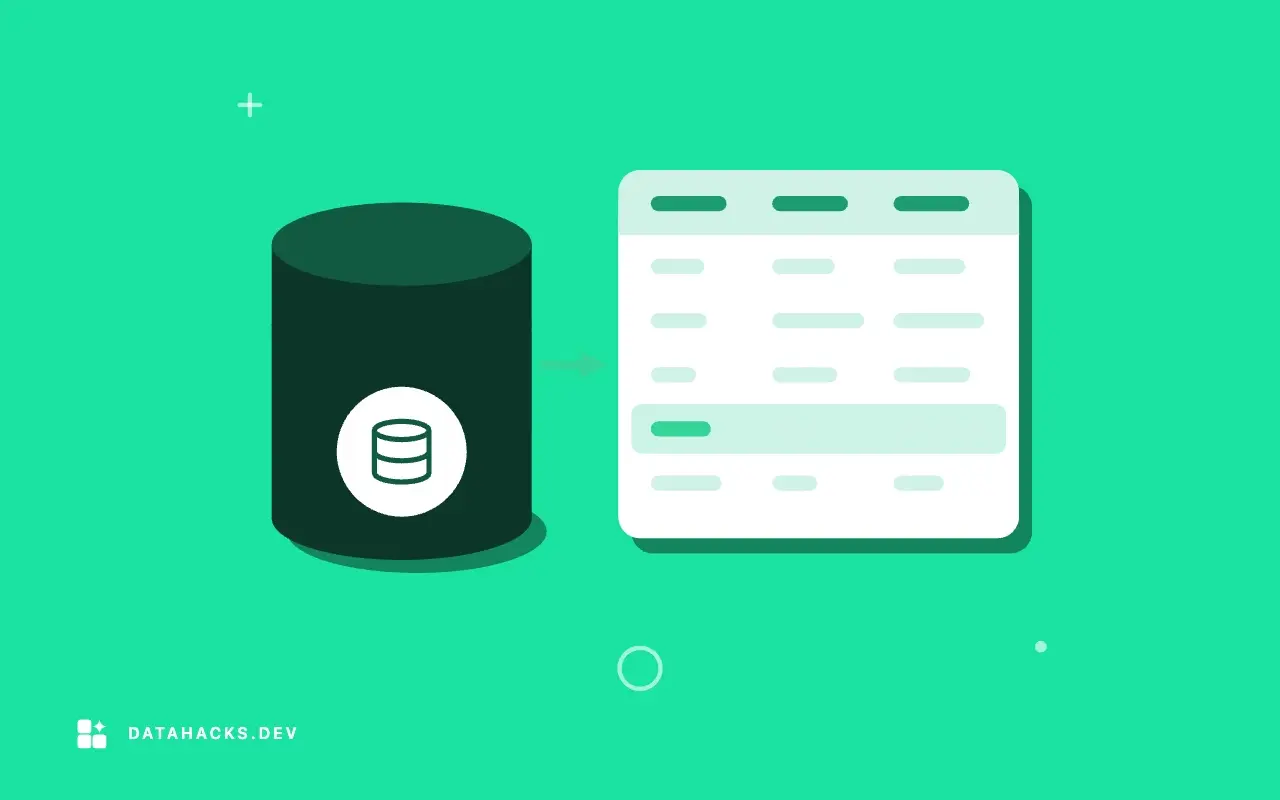
Handle amounts in several currencies: keep the original amount and code, convert once with a dated rate, never sum mixed currencies and show the rate.
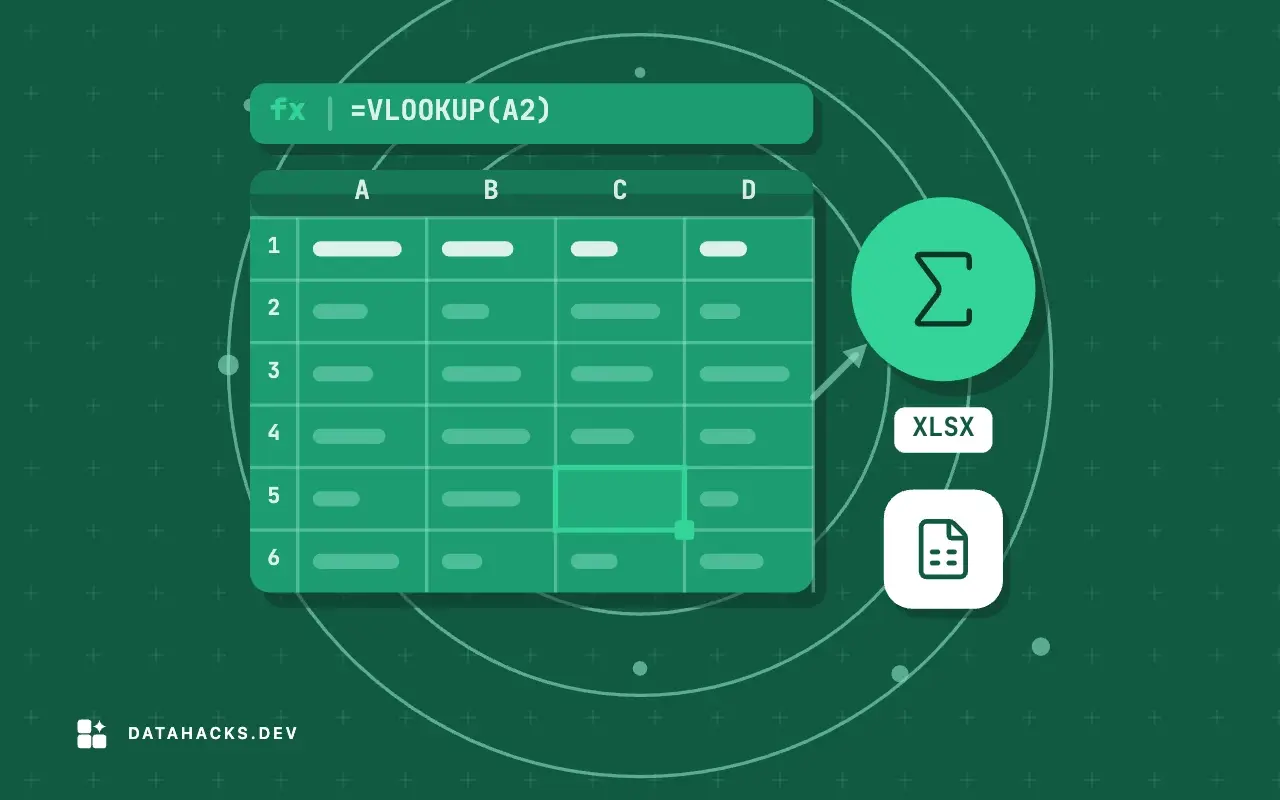
Load Excel timesheets into a database cleanly: one row per person, day and project, hours as decimals, validation of codes and limits, and approvals kept.
We send one email when a new article is published. No spam.